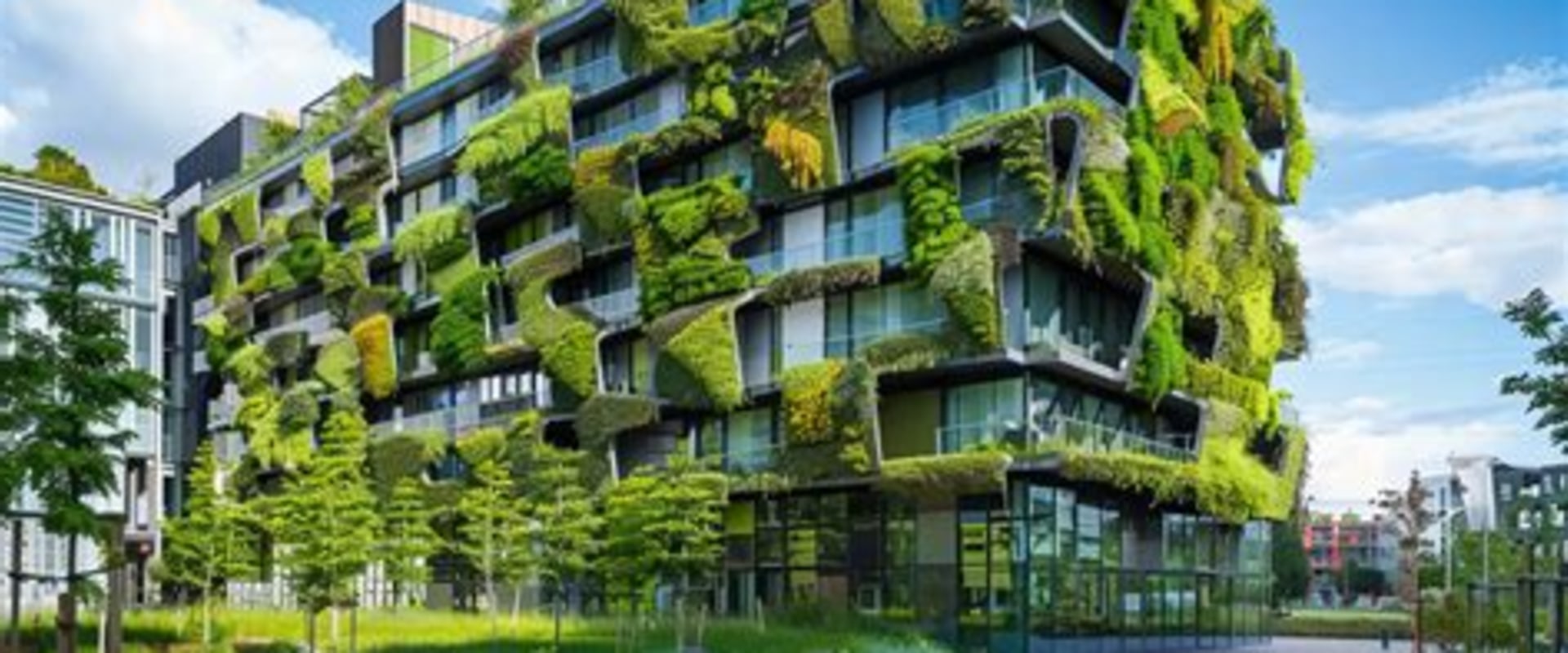
Architectural design services play a pivotal role in shaping the built environment, encompassing a wide range of activities that go beyond mere aesthetics. These services include conceptual design, planning, and the technical aspects of construction, all aimed at creating functional and visually appealing spaces. Understanding what architectural design services entail is crucial for anyone involved in construction or real estate development, as they lay the foundation for successful projects that meet both client needs and regulatory requirements. The importance of architectural design cannot be overstated. It serves as the bridge between creativity and practicality, ensuring that structures are not only beautiful but also sustainable and efficient.
In an era where environmental concerns are at the forefront, integrating sustainability into architectural design services has become essential. This approach not only minimizes the ecological footprint of buildings but also enhances their long-term viability and reduces operational costs. Moreover, effective architectural design fosters community engagement and enhances the quality of life for inhabitants. By considering factors such as natural light, ventilation, and local materials, architects can create spaces that resonate with their surroundings while promoting well-being. As we delve deeper into the significance of sustainability in architectural design services, it becomes clear that these practices are not just trends; they are necessary steps toward a more responsible and innovative future in architecture.
The Concept of Sustainability in Architecture
Sustainability in architecture refers to the design and construction of buildings that are environmentally responsible and resource-efficient throughout their life cycle.This concept is increasingly vital in architectural design services, as it addresses the pressing need to minimize the negative impact of buildings on the environment.At its core, sustainable architecture is guided by several key principles:
- Energy Efficiency: Incorporating designs that reduce energy consumption, such as passive solar heating, natural ventilation, and high-performance insulation.
- Resource Conservation: Utilizing sustainable materials that are renewable, recycled, or locally sourced to minimize the carbon footprint associated with transportation and production.
- Water Management: Implementing systems for rainwater harvesting, greywater recycling, and efficient plumbing fixtures to reduce water usage.
- Indoor Environmental Quality: Ensuring that indoor spaces promote health and well-being through proper ventilation, natural lighting, and non-toxic materials.
- Site Responsiveness: Designing buildings that harmonize with their surroundings, taking into account local climate, topography, and ecosystems.
Why Sustainability Matters in Architectural Design Services
The importance of sustainability in architectural design services cannot be overstated, as it encompasses a holistic approach that addresses environmental, economic, and social dimensions. By integrating sustainable practices into architectural design, professionals can create spaces that not only meet the needs of today but also preserve resources for future generations.Environmental Benefits:
Sustainable architecture significantly reduces the ecological footprint of buildings.This is achieved through the use of renewable materials, energy-efficient systems, and innovative waste management strategies. For instance, incorporating solar panels and green roofs can minimize energy consumption and enhance biodiversity. Additionally, sustainable design often emphasizes the importance of site selection, ensuring that buildings harmonize with their natural surroundings.
Economic Advantages:
Investing in sustainable architectural design can lead to substantial long-term savings. Energy-efficient buildings typically incur lower utility costs, which can be a major advantage for both homeowners and businesses.Furthermore, properties designed with sustainability in mind often have higher market values and attract environmentally conscious buyers. This trend is increasingly relevant as more consumers prioritize sustainability in their purchasing decisions.
Social Impact:
Beyond environmental and economic factors, sustainable architecture plays a crucial role in enhancing community well-being. Thoughtfully designed spaces promote healthier lifestyles by incorporating natural light, ventilation, and green spaces. These elements contribute to improved mental health and overall quality of life for occupants.Moreover, sustainable design fosters community engagement by creating inclusive spaces that encourage social interaction.In conclusion, the integration of sustainability into architectural design services is essential for fostering a resilient future. By prioritizing environmental stewardship, economic viability, and social responsibility, architects can create innovative solutions that benefit individuals and communities alike.
Key Sustainable Practices in Architectural Design
Incorporating sustainable architectural practices into design services is essential for creating buildings that are not only functional but also environmentally responsible. Here are some key practices that architects can implement:- Use of Eco-Friendly Materials: Selecting materials that are renewable, recyclable, or have low environmental impact is crucial. For instance, using bamboo, reclaimed wood, or recycled metal can significantly reduce a building's carbon footprint.
- Energy-Efficient Design: Implementing energy-efficient systems such as solar panels, high-performance insulation, and energy-efficient windows can drastically lower energy consumption.
This not only benefits the environment but also reduces operational costs for building owners.
- Water Conservation Techniques: Integrating rainwater harvesting systems and low-flow fixtures helps in minimizing water usage. Additionally, designing landscapes with native plants can reduce the need for irrigation.
- Passive Solar Design: Utilizing the sun’s energy for heating and cooling through strategic placement of windows and thermal mass can enhance comfort while reducing reliance on mechanical systems.
- Smart Building Technologies: Incorporating smart technologies allows for better energy management. Automated systems can adjust lighting, heating, and cooling based on occupancy and time of day, leading to significant energy savings.
Case Studies: Successful Sustainable Architectural Projects
In recent years, numerous architectural design services have embraced sustainability, leading to innovative projects that not only meet aesthetic and functional needs but also prioritize environmental stewardship.Here are some notable case studies that exemplify successful sustainable architectural designs:
- The Bullitt Center, Seattle, WA: Often referred to as the "greenest commercial building in the world," the Bullitt Center features a net-zero energy design. It utilizes solar panels, rainwater harvesting systems, and composting toilets, showcasing how sustainable architecture can redefine urban spaces.
- The Edge, Amsterdam, Netherlands: This office building is renowned for its energy efficiency and smart technology integration. With a green roof and extensive use of natural light, The Edge reduces energy consumption significantly while providing a healthy work environment.
- Bosco Verticale, Milan, Italy: Translating to "Vertical Forest," this residential project incorporates over 9,000 trees and 20,000 plants into its design. This innovative approach not only enhances biodiversity but also improves air quality and provides residents with a unique living experience.
- One Central Park, Sydney, Australia: This mixed-use development features vertical gardens designed by renowned architect Patrick Blanc.
The project emphasizes the importance of integrating nature into urban environments, promoting sustainability through green spaces that enhance both aesthetics and ecological health.
Challenges in Implementing Sustainable Architectural Design Services
Implementing sustainable architectural design services presents a unique set of challenges that architects must navigate to create environmentally responsible buildings. Understanding these challenges is crucial for developing effective strategies to overcome them.1.Financial Constraints: One of the primary barriers to sustainable architecture is the perception that green building practices are more expensive. While initial costs may be higher due to the use of advanced materials and technologies, the long-term savings on energy and maintenance can offset these expenses.Architects can address this challenge by educating clients on the long-term benefits and potential return on investment associated with sustainable design.2.Limited Knowledge and Training: Many architects may lack the necessary training in sustainable practices, which can hinder their ability to implement effective solutions. Continuous education and professional development programs focused on sustainability can help bridge this knowledge gap. Collaborating with sustainability experts can also enhance an architect's ability to integrate green practices into their designs.3.Regulatory Hurdles: Navigating local building codes and regulations can pose significant challenges for sustainable architecture. In some cases, existing codes may not support innovative green building techniques or materials.
Architects should engage with local authorities early in the design process to advocate for more flexible regulations that encourage sustainable practices.4.Client Resistance: Clients may be hesitant to embrace sustainable design due to misconceptions or a lack of understanding of its benefits. Effective communication is key; architects should present compelling case studies and data that illustrate the advantages of sustainable architecture, such as improved indoor air quality and reduced energy costs.5.Material Availability: Sourcing sustainable materials can be challenging, especially in regions where eco-friendly options are limited. Architects can overcome this obstacle by establishing relationships with suppliers who specialize in sustainable products and by considering alternative materials that meet environmental standards. By recognizing these challenges and proactively seeking solutions, architects can successfully implement sustainable practices in their architectural design services, ultimately contributing to a more sustainable built environment.
Future Trends in Sustainable Architectural Design Services
The future of sustainable architectural design services is poised for significant transformation, driven by technological advancements and a growing awareness of environmental issues. As architects and designers strive to create buildings that are not only aesthetically pleasing but also environmentally responsible, several key trends are emerging.Integration of Smart Technologies
One of the most notable trends is the integration of smart technologies into architectural design.This includes the use of Internet of Things (IoT) devices that monitor energy consumption, optimize heating and cooling systems, and enhance overall building efficiency. By leveraging data analytics, architects can design spaces that adapt to the needs of their occupants while minimizing energy waste.
Biophilic Design
Biophilic design is another trend gaining traction in sustainable architecture. This approach emphasizes the connection between nature and the built environment, incorporating natural elements such as plants, water features, and natural light into architectural designs. Research has shown that biophilic design can improve occupant well-being and productivity, making it a compelling choice for modern buildings.Use of Sustainable Materials
The selection of materials plays a crucial role in sustainable architectural design services.Innovations in sustainable materials, such as recycled metals, reclaimed wood, and low-VOC (volatile organic compounds) paints, are becoming more prevalent. These materials not only reduce the environmental impact of construction but also contribute to healthier indoor air quality.
Modular and Prefabricated Construction
Modular and prefabricated construction methods are revolutionizing the way buildings are designed and constructed. By manufacturing components off-site and assembling them on location, these methods can significantly reduce waste and construction time. This approach also allows for greater precision in building performance, aligning with sustainability goals.Resilient Design
As climate change continues to pose challenges, resilient design is becoming increasingly important in architectural services.This involves creating structures that can withstand extreme weather events while minimizing their ecological footprint. Architects are now focusing on designing buildings that not only meet current sustainability standards but are also adaptable to future environmental changes.In conclusion, the future of sustainable architectural design services is bright, with innovations and trends that prioritize both environmental responsibility and human well-being. By embracing these advancements, architects can lead the way toward a more sustainable built environment.
FAQs About Sustainability in Architectural Design Services
As sustainability becomes increasingly vital in various industries, many individuals have questions about its role in architectural design services. Below are some frequently asked questions that can help clarify the importance of sustainability in this field.What is sustainable architecture?
Sustainable architecture refers to the design and construction of buildings that minimize environmental impact while maximizing energy efficiency and resource conservation.This approach considers the entire lifecycle of a building, from site selection to materials used and energy consumption.
Why is sustainability important in architectural design services?
The importance of sustainability in architectural design services lies in its ability to reduce carbon footprints, lower energy costs, and create healthier living environments. Sustainable designs often incorporate renewable energy sources, efficient water management systems, and sustainable materials, which contribute to a more resilient future.How can architects implement sustainable practices?
- Site Analysis: Evaluating the location for natural resources and environmental impact.
- Material Selection: Choosing eco-friendly materials that are durable and have low environmental impact.
- Energy Efficiency: Designing buildings that utilize natural light and ventilation to reduce energy consumption.
- Water Conservation: Implementing systems that reduce water usage, such as rainwater harvesting.
What are the benefits of sustainable architectural design?
Sustainable architectural design offers numerous benefits, including:- Cost Savings: Reduced utility bills through energy-efficient designs.
- Increased Property Value: Sustainable buildings often have higher market value due to their efficiency and appeal.
- Healthier Environments: Improved indoor air quality and natural lighting contribute to better occupant health.
Conclusion: The Essential Role of Sustainability in Architectural Design Services
In conclusion, the integration of sustainability into architectural design services is not merely a trend but a necessity for the future of our built environment. As we have explored throughout this article, sustainable architecture plays a crucial role in addressing pressing global challenges such as climate change, resource depletion, and urbanization.By prioritizing sustainability, architects can:- Reduce environmental impact: Sustainable design minimizes waste and energy consumption, leading to lower carbon footprints.
- Enhance occupant health: Incorporating natural light, ventilation, and non-toxic materials contributes to healthier living and working spaces.
- Increase economic viability: Sustainable buildings often result in lower operational costs and higher property values, making them attractive investments.
- Promote social equity: Thoughtful design can create inclusive spaces that cater to diverse communities, fostering social interaction and cohesion.
The shift towards sustainable practices is not just beneficial but essential for ensuring that our architectural legacy is one that respects both people and the planet.Ultimately, the commitment to sustainability in architectural design services reflects a broader understanding of our responsibility to future generations. By making informed choices today, architects can create spaces that are not only functional and aesthetically pleasing but also environmentally responsible and socially equitable.