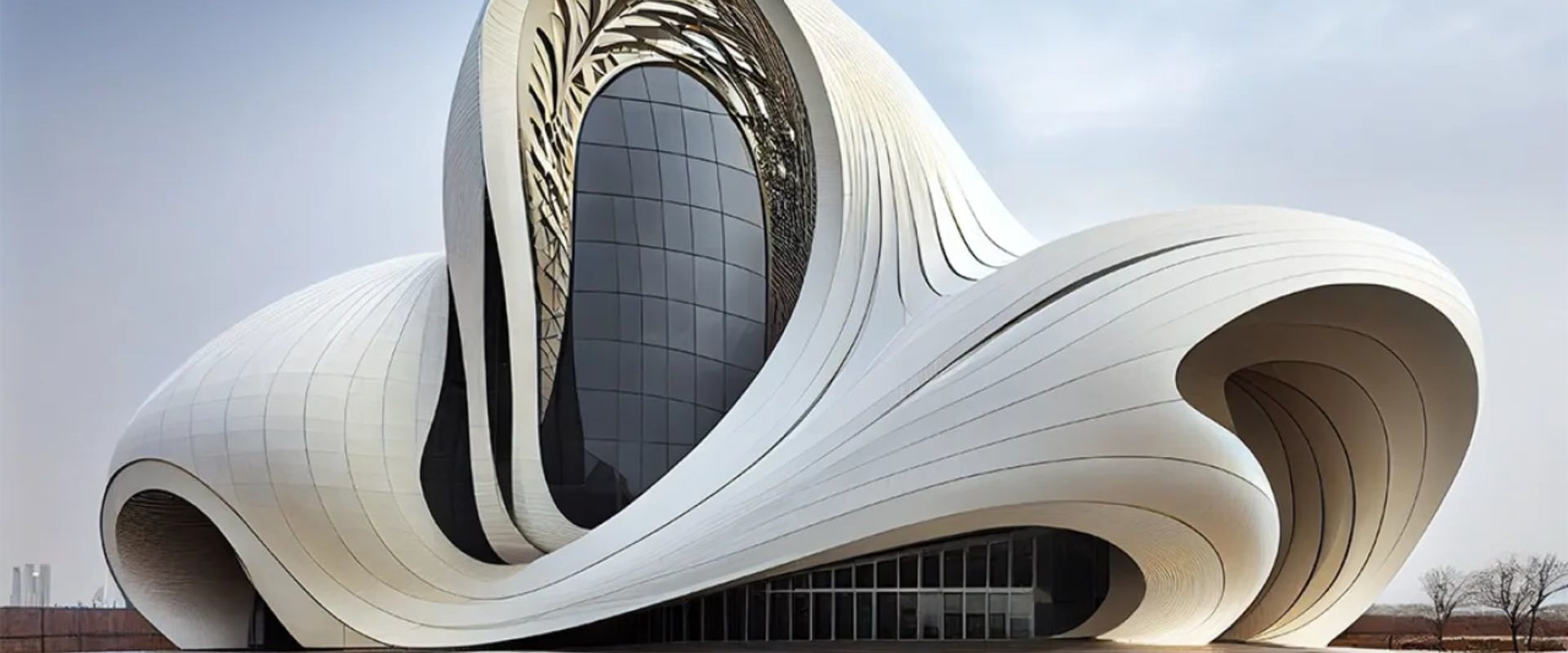
Architectural design services play a pivotal role in shaping the environments we inhabit, influencing not only the aesthetics of our cities but also the functionality and sustainability of our spaces. From towering skyscrapers that define city skylines to serene residential homes that offer comfort and refuge, the work of architects transcends mere construction; it embodies a vision that reflects cultural values and societal needs. The significance of architecture is evident in its ability to evoke emotions, inspire creativity, and foster community connections.Throughout history, iconic buildings have emerged as symbols of innovation and artistic expression, showcasing the unique styles and philosophies of renowned architects. Structures like the Eiffel Tower in Paris or the Guggenheim Museum in New York City are not just architectural feats; they are landmarks that tell stories about their time and place.
These masterpieces serve as a testament to the power of architectural design services, which blend technical expertise with artistic vision to create spaces that resonate with people on multiple levels.As we delve deeper into the world of architectural design, we will explore various examples of these iconic buildings and the architects behind them. Understanding their significance not only enhances our appreciation for architecture but also highlights the essential role that skilled architects play in crafting environments that are both functional and inspiring. Join us on this journey through architectural history as we uncover how these structures have shaped our world and continue to influence contemporary design.
The Role of Architects in Shaping Iconic Structures
Architects play a pivotal role in the creation of iconic structures, blending artistic vision with technical expertise. Their influence extends beyond mere aesthetics; they shape the functionality and sustainability of buildings, ensuring that each design meets the needs of its users while harmonizing with its environment.The process begins with a deep understanding of the site and its context.Architects assess factors such as climate, culture, and community needs, which inform their design decisions. This comprehensive approach allows them to create structures that are not only visually striking but also practical and enduring.
- Creative Vision: Architects envision how a building will interact with its surroundings. For instance, the Guggenheim Museum in New York City, designed by Frank Lloyd Wright, exemplifies how innovative design can transform urban landscapes.
- Technical Skills: Mastery of materials and construction techniques is essential. The use of glass and steel in the Burj Khalifa, designed by Adrian Smith, showcases how architects push the boundaries of engineering to achieve unprecedented heights.
- Sustainability: Modern architects increasingly prioritize sustainable practices.
The Bosco Verticale in Milan, designed by Stefano Boeri, integrates nature into urban living, demonstrating how architectural design services can address environmental concerns.
Famous Examples of Iconic Buildings
Architectural design services have given rise to some of the most iconic buildings in the world, each telling a unique story through its structure and design. Here are a few notable examples:- The Eiffel Tower - Designed by Gustave Eiffel and completed in 1889, this iron lattice tower in Paris stands as a symbol of French ingenuity.
Originally criticized, it has become one of the most recognizable structures globally, showcasing the beauty of industrial architecture.
- The Sydney Opera House - Designed by Jørn Utzon and completed in 1973, this architectural marvel is known for its sail-like roofs. It represents a significant achievement in modernist architecture and has become an iconic symbol of Australia.
- The Guggenheim Museum - Frank Lloyd Wright's design, completed in 1959, features a unique spiral structure that challenges traditional museum layouts. Located in New York City, it is celebrated for its innovative approach to both art display and architectural form.
- The Burj Khalifa - Standing at 828 meters, this skyscraper in Dubai was designed by Adrian Smith of Skidmore, Owings & Merrill. Completed in 2010, it is the tallest building in the world and exemplifies cutting-edge engineering and architectural design.
- The Colosseum - An ancient Roman amphitheater completed in AD 80, it showcases the grandeur of Roman architecture.
Its innovative use of arches and concrete has influenced countless structures throughout history.
Modern Architectural Marvels
In recent years, the field of architectural design services has witnessed a surge in innovative and striking structures that redefine our understanding of modern architecture. These contemporary buildings not only serve functional purposes but also stand as symbols of creativity and technological advancement.One prime example is the Guggenheim Museum Bilbao , designed by Frank Gehry. This iconic structure, completed in 1997, is renowned for its organic forms and titanium cladding, which reflect light in mesmerizing ways.The museum has become a cultural landmark, demonstrating how innovative designs can revitalize urban spaces.Another remarkable structure is the Burj Khalifa in Dubai, which holds the title of the tallest building in the world. Designed by Adrian Smith of Skidmore, Owings & Merrill, this skyscraper reaches a staggering height of 828 meters. Its sleek, tapering silhouette and advanced engineering techniques showcase the possibilities of modern architectural design.The Sydney Opera House , designed by Jørn Utzon, remains a quintessential example of contemporary architecture. Its unique sail-like roof structure not only enhances its aesthetic appeal but also demonstrates how modern architecture can harmonize with its natural surroundings.Additionally, the One World Trade Center , also known as the Freedom Tower, symbolizes resilience and renewal.
Designed by David Childs, this building incorporates sustainable design principles while standing as a tribute to those lost during the September 11 attacks.These examples illustrate how architects are pushing boundaries through innovative designs, creating structures that are not only visually stunning but also environmentally conscious and culturally significant. As we look to the future, it is clear that modern architecture will continue to evolve, inspiring generations to come.
Cultural Significance of Iconic Structures
Iconic buildings serve as more than just physical structures; they are cultural artifacts that encapsulate the values, aspirations, and historical contexts of the societies that create them. The relationship between architecture and society is profound, as these structures often reflect the collective identity of a community.For instance, the Sydney Opera House , with its unique sail-like design, symbolizes Australia’s cultural openness and artistic ambition. Designed by architect Jørn Utzon, it has become a global icon, representing not only architectural innovation but also the spirit of a nation that embraces creativity and diversity.Similarly, the Guggenheim Museum in Bilbao, Spain, designed by Frank Gehry, transformed the city into a cultural hub.Its deconstructivist style challenges traditional architectural norms and has had a significant impact on urban regeneration, showcasing how architecture can drive economic and social change.The Pyramids of Giza , on the other hand, reflect ancient Egyptian civilization's values of power and immortality. These monumental structures were not merely tombs but also symbols of the pharaohs' divine status and their connection to the afterlife. They continue to inspire awe and curiosity, highlighting how architecture can transcend time.Moreover, iconic buildings often serve as focal points for community identity. The Eiffel Tower , initially criticized for its design, has become synonymous with Paris and French culture.
It represents not only architectural prowess but also the resilience of a city that embraces change while honoring its history.In conclusion, the cultural significance of iconic structures lies in their ability to convey messages about societal values and historical narratives. As we explore these architectural marvels, we gain insight into how they shape and are shaped by the cultures they inhabit.
Sustainable Architecture: The Future of Iconic Design
As the world grapples with climate change and environmental degradation, sustainable architecture has emerged as a pivotal force in shaping the future of iconic design. This approach not only prioritizes aesthetic appeal but also emphasizes the importance of eco-friendly practices that minimize the ecological footprint of buildings.One of the most significant trends in eco-friendly design is the integration of renewable energy sources. Architects are increasingly incorporating solar panels, wind turbines, and geothermal systems into their designs, allowing structures to generate their own energy.For instance, the Bullitt Center in Seattle, often referred to as the "greenest commercial building in the world," utilizes a combination of solar energy and rainwater harvesting to achieve net-zero energy consumption.Another key aspect of sustainable architecture is the use of recycled and locally sourced materials. This not only reduces waste but also supports local economies. The High Line in New York City is a prime example, where an abandoned railway was transformed into a vibrant public park using reclaimed materials, showcasing how sustainability can enhance urban spaces.Moreover, biophilic design, which seeks to connect occupants with nature, is gaining traction. Incorporating natural elements such as green walls, living roofs, and ample natural light can improve mental well-being and productivity.
The Bosco Verticale (Vertical Forest) in Milan exemplifies this trend, featuring residential towers adorned with thousands of trees and plants that contribute to biodiversity while providing residents with a unique living experience.Looking ahead, the future of architecture will likely see an even greater emphasis on sustainability. As architects continue to innovate and push boundaries, we can expect iconic structures that not only stand as symbols of human achievement but also reflect our commitment to preserving the planet for future generations.
FAQs About Iconic Buildings and Architectural Design Services
When it comes to architectural design services, many people have questions about iconic buildings and the principles behind their design. Here are some frequently asked questions that can provide clarity on this fascinating topic.What defines an iconic building?
An iconic building is typically characterized by its unique design, cultural significance, and ability to evoke strong emotional responses. These structures often become symbols of their cities or countries, representing innovation and artistic expression.Can you name some examples of iconic buildings?
- The Eiffel Tower in Paris, France - A global symbol of romance and architectural ingenuity.
- The Sydney Opera House in Australia - Renowned for its sail-like design and acoustics.
- The Guggenheim Museum in New York City - Famous for its unique spiral structure designed by Frank Lloyd Wright.
- The Burj Khalifa in Dubai, UAE - Currently the tallest building in the world, showcasing modern engineering.
What role do architects play in creating iconic structures?
Architects are crucial in the creation of iconic buildings.They not only design the aesthetics but also consider functionality, sustainability, and the surrounding environment. Their vision transforms concepts into tangible structures that can stand the test of time.
How can I find architectural design services for my project?
To find suitable architectural design services, consider the following steps:- Research local architects with a portfolio of iconic projects.
- Check online reviews and testimonials to gauge client satisfaction.
- Schedule consultations to discuss your vision and see if their style aligns with your goals.
Conclusion: The Lasting Impact of Iconic Architecture
In conclusion, the world of architectural design services plays a pivotal role in shaping our built environment, creating structures that not only serve functional purposes but also resonate with cultural significance and aesthetic beauty. Iconic buildings, such as the Guggenheim Museum in New York and the Sydney Opera House , exemplify how innovative design can transform urban landscapes and become symbols of their cities.The lasting impact of these architectural masterpieces is evident in their ability to inspire future generations of architects and designers. They challenge conventional norms and push the boundaries of creativity, demonstrating that architecture is not merely about constructing buildings but about crafting experiences.- Innovation: Iconic structures often incorporate cutting-edge technology and materials, showcasing the evolution of architectural practices.
- Cultural Significance: Many famous buildings reflect the history and identity of their locations, becoming integral to the cultural fabric of their communities.
- Tourism and Economy: Architectural landmarks attract millions of visitors each year, contributing significantly to local economies.
The influence of iconic architecture extends beyond aesthetics; it shapes our interactions with the environment and enhances our quality of life. Therefore, investing in skilled architectural design is crucial for fostering innovation and preserving cultural heritage in our ever-evolving world.