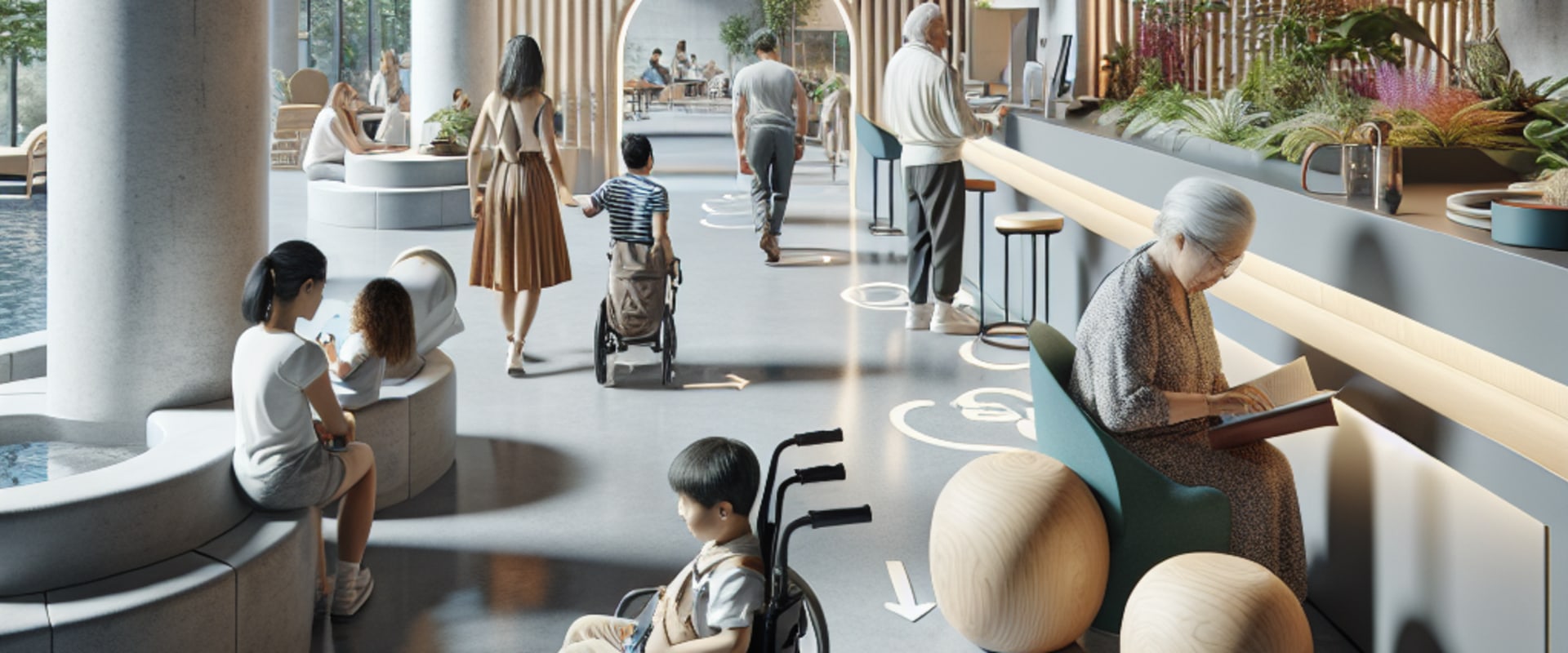
In today's diverse society, the importance of accessibility in architectural design cannot be overstated. Architects are increasingly recognizing that their creations must cater to a wide range of individuals, including those with disabilities, the elderly, and families with young children. This shift towards inclusivity is not merely a trend; it reflects a fundamental understanding that everyone deserves equal access to spaces that enhance their quality of life. By prioritizing accessibility, architects can create environments that foster community engagement and social interaction. At the heart of this movement lies the concept of inclusive design principles, which advocate for the consideration of all users from the outset of the design process.
These principles encourage architects to think beyond traditional aesthetics and functionality, ensuring that every element—from entrances and pathways to restrooms and seating areas—is designed with accessibility in mind. This holistic approach not only benefits individuals with specific needs but also enhances the overall experience for all users. Architectural design services today are evolving to incorporate these essential elements, leading to innovative solutions that challenge conventional norms. By embracing accessibility as a core value, architects are not only complying with legal standards but also championing a more equitable built environment. As we delve deeper into how architects implement these principles in their work, it becomes clear that accessible design is not just an obligation; it is an opportunity to enrich our communities and create spaces where everyone can thrive.
The Importance of Inclusive Design in Architecture
Inclusive design in architecture is not just a trend; it is a fundamental principle that shapes the built environment to be more welcoming and functional for everyone.The importance of inclusive design lies in its ability to address the diverse needs of individuals, ensuring that spaces are accessible to people of all ages, abilities, and backgrounds.From a social perspective, inclusive architecture fosters community engagement and participation. When spaces are designed with accessibility in mind, they encourage interaction among individuals, breaking down barriers that often lead to social isolation. This inclusivity enhances the quality of life for all users, promoting a sense of belonging and community cohesion.Legally, architects must adhere to regulations such as the Americans with Disabilities Act (ADA), which mandates accessibility standards in public buildings. Failure to comply can result in legal repercussions and financial penalties.
Therefore, integrating architectural design services that prioritize inclusivity not only fulfills legal obligations but also mitigates risks associated with non-compliance.Ethically, architects have a responsibility to create environments that respect and accommodate the needs of all individuals. This commitment to ethical practice not only enhances the reputation of architectural firms but also contributes positively to society by promoting equality and accessibility.The benefits of accessible architecture extend beyond compliance and ethics; they also include economic advantages. By designing spaces that cater to a wider audience, architects can attract more clients and users. For instance, businesses that invest in accessible designs often see increased patronage from individuals with disabilities and their families.In conclusion, the importance of inclusive design in architecture cannot be overstated.
It is essential for fostering social interaction, ensuring legal compliance, upholding ethical standards, and reaping economic benefits. By prioritizing inclusivity in their architectural design services, architects play a crucial role in shaping a more equitable and accessible world.
Key Principles of Accessible Architectural Design
Architects play a crucial role in shaping environments that are not only aesthetically pleasing but also accessible to all individuals. To achieve this, they adhere to several key principles of accessible architectural design.- Universal Design: This concept emphasizes creating spaces that are usable by everyone, regardless of age, ability, or status. Universal design principles advocate for features such as wide doorways, ramps instead of stairs, and clear signage that can be understood by all.
- Adaptability: Architects incorporate flexibility into their designs, allowing spaces to be modified as needs change over time.
This might include movable walls or adjustable fixtures that can accommodate various users.
- User-Centered Approaches: Engaging with potential users during the design process is vital. Architects often conduct surveys or focus groups to gather insights on how different individuals interact with spaces, ensuring that their designs meet diverse needs.
- Safety and Comfort: Accessible design prioritizes safety features such as non-slip surfaces and adequate lighting. Additionally, creating comfortable environments with appropriate acoustics and temperature control enhances usability for everyone.
- Compliance with Standards: Adhering to local and national accessibility standards, such as the Americans with Disabilities Act (ADA), is essential. These regulations provide guidelines that architects must follow to ensure their designs are legally compliant and accessible.
The commitment to accessibility not only enhances the functionality of spaces but also enriches the community as a whole.
Incorporating Accessibility Standards and Regulations
Architects play a crucial role in creating spaces that are not only aesthetically pleasing but also accessible to all individuals. To achieve this, they must adhere to various accessibility standards and regulations that guide the design process. One of the most significant frameworks in the United States is the Americans with Disabilities Act (ADA), which sets forth requirements for accessible design in public and commercial buildings.The ADA outlines specific guidelines that architects must follow, including:- Accessible Entrances: All public entrances must be accessible, featuring ramps or automatic doors to accommodate individuals with mobility impairments.
- Restroom Facilities: Restrooms must include accessible stalls, grab bars, and sinks that are usable by individuals in wheelchairs.
- Signage: Clear and visible signage is essential, with tactile elements for those with visual impairments.
- Pathways: Walkways and corridors should be wide enough to allow for easy navigation by individuals using mobility aids.
This approach goes beyond compliance by creating environments that are usable by everyone, regardless of age or ability. For instance, designing spaces with adjustable features or intuitive layouts can significantly enhance accessibility.By staying informed about current regulations and embracing innovative design strategies, architects can ensure that their designs are not only compliant but also welcoming to all individuals. This commitment to accessibility is essential in fostering inclusive communities where everyone can thrive.
Design Strategies for Enhancing Accessibility
Architects play a crucial role in creating spaces that are not only aesthetically pleasing but also accessible and inclusive. To achieve this, they employ various design strategies that cater to the diverse needs of all individuals.Here are some effective approaches:
- Universal Design Principles: This approach focuses on creating environments that are usable by all people, regardless of age, ability, or status. By incorporating features such as wide doorways, ramps, and adjustable fixtures, architects can ensure that their designs accommodate everyone.
- Adaptive Reuse: Transforming existing structures to meet modern accessibility standards is a sustainable practice. Architects can retain the historical value of a building while integrating architectural design services that enhance accessibility, such as installing elevators or modifying entrances.
- Wayfinding Systems: Clear signage and intuitive navigation are essential for helping individuals with disabilities navigate spaces confidently. Architects can design visual and tactile wayfinding systems that guide users effectively through complex environments.
- Flexible Spaces: Designing multi-functional areas allows for adaptability to various needs.
For instance, movable walls can create larger spaces for community events or smaller, more intimate settings for individual use.
- Sensory-Friendly Environments: Incorporating elements that cater to sensory sensitivities—such as sound-absorbing materials and adjustable lighting—can significantly enhance the experience for individuals with autism or other sensory processing disorders.
Case Studies: Successful Inclusive Architectural Projects
Inclusive architectural design is not just a trend; it is a necessity that ensures all individuals can access and enjoy spaces. Here are some notable case studies that highlight successful inclusive designs:- The High Line, New York City : This elevated linear park transformed an old railway into a vibrant public space. The design incorporates accessible pathways, seating areas, and sensory gardens, making it welcoming for individuals of all abilities.
The project emphasizes the importance of integrating nature with urban life, demonstrating how architectural design services can enhance community engagement.
- The Eden Project, Cornwall, UK : This ecological park features biomes housing diverse plant species. Its design prioritizes accessibility with wheelchair-friendly paths, tactile exhibits for the visually impaired, and clear signage. The project serves as a model for how sustainability and inclusivity can coexist in architectural projects.
- The Sydney Opera House, Australia : While iconic for its architecture, the Opera House has made significant strides in inclusivity. Recent renovations have improved accessibility features, including hearing loops and accessible seating options.
This case illustrates how ongoing updates in architectural design services can enhance user experience.
Challenges Architects Face in Creating Accessible Designs
Creating accessible designs is a fundamental aspect of architectural design services, yet architects often face significant challenges in this endeavor. One of the primary barriers is budget constraints. Many projects operate under tight financial limits, which can lead to compromises in accessibility features.For instance, while incorporating ramps and wider doorways may be essential for compliance with accessibility standards, these additions can increase construction costs, leading some stakeholders to prioritize aesthetics or functionality over inclusivity.Another challenge is stakeholder resistance. Architects frequently collaborate with clients, contractors, and other stakeholders who may not fully understand the importance of accessibility. This lack of awareness can result in pushback against proposed designs that prioritize inclusive features. For example, a client might resist the idea of installing automatic doors or tactile paving due to perceived additional costs or maintenance concerns.Additionally, regulatory complexities can complicate the design process.
Different jurisdictions have varying codes and regulations regarding accessibility, which can create confusion and inconsistency in implementation. Architects must stay informed about these regulations to ensure compliance while also advocating for best practices in inclusive design.Finally, there is the challenge of design limitations. Some existing structures may pose inherent challenges that make it difficult to retrofit accessibility features without significant alterations. For instance, historical buildings often have strict preservation guidelines that can limit modifications necessary for accessibility.In summary, while architects strive to create inclusive environments through their architectural design services, they must navigate a landscape filled with financial constraints, stakeholder attitudes, regulatory hurdles, and design limitations.
Addressing these challenges requires a commitment to advocacy and education about the importance of accessibility in architecture.
The Role of Technology in Enhancing Accessibility in Architecture
In recent years, the integration of technology into architectural design has revolutionized how architects approach accessibility. By leveraging advanced tools and innovative solutions, architects can create spaces that cater to the diverse needs of all individuals.Smart Buildings and Accessibility
- Smart technology plays a crucial role in enhancing accessibility. Features such as automated doors, adjustable lighting, and voice-activated systems allow individuals with mobility or sensory impairments to navigate spaces more easily.
- Building management systems can monitor and adjust environmental conditions, ensuring comfort for all users, including those with specific health needs.
- Integrating IoT (Internet of Things) devices enables real-time data collection on how spaces are used, allowing architects to make informed decisions about future designs.
Assistive Technology in Architectural Design Services
- Assistive technologies, such as screen readers and augmented reality applications, help architects visualize how their designs will function for individuals with disabilities.
- Virtual reality (VR) can simulate environments, allowing architects to test accessibility features before construction begins. This proactive approach helps identify potential barriers early in the design process.
- 3D modeling software enables architects to create detailed representations of spaces, ensuring that accessibility considerations are integrated from the outset.
As architects continue to embrace these advancements, they pave the way for a built environment that is not only functional but also welcoming for everyone.
Future Trends in Accessible Architectural Design
As we look to the future, accessible architectural design is poised to evolve significantly, driven by technological advancements and a growing awareness of inclusivity. Architects are increasingly recognizing the importance of creating spaces that cater to the diverse needs of all individuals, and several key trends are emerging in this field.- Smart Technology Integration: The incorporation of smart technology into architectural design is revolutionizing accessibility. Features such as voice-activated systems, automated doors, and smart lighting can enhance the usability of spaces for individuals with disabilities. Architects are now collaborating with tech companies to integrate these innovations seamlessly into their designs.
- Sustainable and Adaptive Design: Future architectural design services are focusing on sustainability while ensuring accessibility.
This includes using materials that are not only eco-friendly but also adaptable to various needs. For instance, modular designs allow for easy reconfiguration of spaces to accommodate different users.
- Universal Design Principles: The concept of universal design is gaining traction, emphasizing that environments should be usable by all people, regardless of age or ability. Architects are increasingly adopting these principles in their projects, ensuring that accessibility is a fundamental aspect rather than an afterthought.
- Community Engagement: Engaging with communities during the design process is becoming essential. Architects are conducting workshops and feedback sessions to understand the specific needs of diverse populations.
This collaborative approach ensures that designs are not only functional but also resonate with the users they serve.
Conclusion: The Path Forward for Inclusive Architectural Design
As we conclude our exploration of how architects can ensure that their designs are accessible and inclusive, it is clear that the journey towards inclusive architectural design is both essential and ongoing. The principles of accessibility should not merely be an afterthought but rather a fundamental aspect of the architectural design services provided to clients.Throughout this article, we have highlighted several key strategies that architects can implement:- Universal Design Principles: Incorporating universal design principles allows for spaces that cater to a diverse range of abilities and needs.
- User-Centered Design: Engaging with users during the design process ensures that their voices are heard, leading to more effective and inclusive solutions.
- Compliance with Regulations: Adhering to local and national accessibility standards is crucial in creating environments that are legally compliant and welcoming.
- Continuous Education: Architects must stay informed about the latest trends, technologies, and best practices in accessibility to enhance their designs.
This holistic approach to design can lead to innovative solutions that benefit society as a whole.In moving forward, it is imperative for architects to embrace these values wholeheartedly. By doing so, they will not only fulfill their professional responsibilities but also contribute to a more equitable world where everyone has the opportunity to thrive in well-designed spaces. The path forward is clear: let us commit to making accessibility and inclusivity the cornerstones of our architectural practices.