In recent years, the concept of sustainability has emerged as a cornerstone of modern architectural design services. As the world grapples with the effects of climate change and resource depletion, architects are increasingly called upon to create structures that not only meet the needs of their occupants but also respect and enhance the environment. This shift towards sustainable architecture is not merely a trend; it represents a fundamental change in how we think about building and living in our spaces. The importance of sustainability in architectural design cannot be overstated. It encompasses a wide range of practices aimed at minimizing environmental impact, optimizing energy efficiency, and promoting the use of renewable resources.
By integrating these principles into their designs, architects can create buildings that are not only aesthetically pleasing but also functional and responsible. This holistic approach ensures that structures contribute positively to their surroundings, fostering a healthier planet for future generations. Moreover, sustainable architecture often leads to long-term economic benefits. Buildings designed with sustainability in mind tend to have lower operational costs due to reduced energy consumption and maintenance needs. As clients become more aware of these advantages, the demand for architectural design services that prioritize sustainability continues to grow.
This evolution in architectural practice is paving the way for innovative solutions that harmonize human needs with ecological stewardship.
Key Principles of Sustainable Architectural Design
Sustainable architectural design is guided by several key principles that aim to minimize environmental impact while maximizing efficiency and comfort. These principles are essential for architects who provide architectural design services that prioritize eco-friendly solutions.- Energy Efficiency: One of the cornerstones of sustainable design is energy efficiency. Architects strive to create buildings that consume less energy through the use of high-performance insulation, energy-efficient windows, and renewable energy sources such as solar panels. By optimizing energy use, architects can significantly reduce a building's carbon footprint.
- Resource Conservation: Sustainable architecture emphasizes the importance of conserving natural resources.
This includes selecting materials that are sustainably sourced, recycled, or have low environmental impact. Architects often utilize local materials to reduce transportation emissions and support local economies.
- Water Management: Effective water management is crucial in sustainable design. Architects incorporate systems for rainwater harvesting, greywater recycling, and efficient plumbing fixtures to minimize water usage. These practices not only conserve water but also reduce the strain on municipal water systems.
- Site Responsiveness: A sustainable building should harmonize with its surroundings.
Architects assess the site’s climate, topography, and ecology to design structures that enhance natural ventilation, maximize daylight, and minimize disruption to local ecosystems.
- Indoor Environmental Quality: The health and well-being of occupants are paramount in sustainable architecture. This principle involves using non-toxic materials, ensuring adequate ventilation, and maximizing natural light to create a healthy indoor environment.
Materials and Resources: Choosing Sustainable Options
Incorporating sustainability into architectural design services begins with the careful selection of sustainable building materials. These materials not only reduce the environmental impact of construction but also enhance the overall quality and longevity of the structures.By choosing eco-friendly resources, architects can create spaces that are both functional and environmentally responsible.One of the primary benefits of using sustainable materials is their ability to minimize waste and energy consumption. For instance, recycled materials, such as reclaimed wood or recycled metal, can significantly reduce the demand for new resources while adding unique character to a building. Additionally, materials like straw bales and rammed earth offer excellent insulation properties, which can lead to lower energy costs over time.
Examples of Eco-Friendly Materials
- Bamboo: A rapidly renewable resource, bamboo is strong, lightweight, and versatile, making it an ideal choice for flooring and structural elements.
- Recycled Steel: Using recycled steel reduces the need for new steel production, which is energy-intensive. It is also durable and resistant to pests.
- Low-VOC Paints: Volatile organic compounds (VOCs) can harm indoor air quality.
Low-VOC paints help maintain a healthier environment.
- Green Insulation: Materials like cellulose (made from recycled paper) or sheep's wool provide excellent thermal performance without harmful chemicals.
Energy Efficiency in Architectural Design
Incorporating energy efficiency into architectural design is a fundamental aspect of modern architecture, particularly as the demand for sustainable living increases.Architects utilize various strategies to enhance energy efficiency, ensuring that buildings not only meet aesthetic and functional needs but also minimize their environmental impact.One of the primary methods employed is passive solar design. This approach maximizes natural light and heat from the sun, reducing reliance on artificial lighting and heating systems. Key elements of passive solar design include:
- Orientation: Positioning buildings to take advantage of sunlight throughout the day.
- Thermal mass: Using materials that absorb and store heat, such as concrete or stone, to regulate indoor temperatures.
- Insulation: Implementing high-quality insulation to minimize heat loss in winter and heat gain in summer.
- Window placement: Strategically placing windows to enhance natural ventilation and daylighting while minimizing glare.
- Solar panels: Installing photovoltaic systems on rooftops or facades to generate electricity from sunlight.
- Wind turbines: Utilizing small-scale wind turbines in suitable locations to harness wind energy.
- Geothermal systems: Implementing ground-source heat pumps for efficient heating and cooling.
By offering architectural design services that prioritize energy efficiency, architects play a crucial role in reducing carbon footprints and promoting environmental stewardship.
Water Conservation Strategies in Architecture
Incorporating water conservation strategies into architectural design is essential for creating sustainable environments. Architects are increasingly adopting innovative methods to minimize water usage and enhance the efficiency of their designs.One of the most effective techniques is the implementation of rainwater harvesting systems. These systems collect and store rainwater from rooftops and other surfaces, which can then be used for irrigation, flushing toilets, or even potable water after proper treatment. By integrating these systems into their designs, architects can significantly reduce the demand on municipal water supplies.Another strategy involves the use of drought-resistant landscaping.This approach focuses on selecting native plants that require minimal irrigation, thereby conserving water while maintaining aesthetic appeal. Architects often collaborate with landscape designers to create outdoor spaces that thrive on natural rainfall, reducing the need for supplemental watering.
- Permeable paving: Utilizing permeable materials for driveways and walkways allows rainwater to infiltrate the ground, replenishing groundwater supplies and reducing runoff.
- Efficient irrigation systems: Implementing smart irrigation technologies, such as drip irrigation and moisture sensors, ensures that water is used only when necessary.
- Green roofs: These not only provide insulation but also absorb rainwater, reducing stormwater runoff and promoting biodiversity.
The Role of Technology in Sustainable Architecture
In the realm of sustainable architecture, technology plays a pivotal role in enhancing the efficiency and effectiveness of architectural design services. Modern tools and methodologies enable architects to create designs that not only meet aesthetic and functional requirements but also prioritize environmental sustainability.Building Information Modeling (BIM)
One of the most significant advancements in architectural technology is Building Information Modeling (BIM).This innovative approach allows architects to create detailed 3D models that incorporate various aspects of a building's lifecycle. With BIM, architects can:
- Visualize the entire project before construction begins, identifying potential issues early on.
- Analyze energy consumption and material usage, leading to more informed decisions about sustainable practices.
- Collaborate with engineers and contractors seamlessly, ensuring that sustainability goals are met throughout the design and construction phases.
Smart Building Technologies
Another critical aspect of integrating technology into sustainable architecture is the use of smart building technologies. These systems enhance energy efficiency and reduce waste through:- Automated lighting and HVAC systems, which adjust based on occupancy and environmental conditions, significantly lowering energy consumption.
- Sensors and IoT devices that monitor building performance in real-time, allowing for proactive maintenance and optimization of resources.
- Renewable energy integration, such as solar panels and wind turbines, which can be monitored and managed through smart systems to maximize their efficiency.
Case Studies: Successful Sustainable Architectural Projects
In the realm of sustainable architecture, several projects stand out as exemplary models of how architectural design services can effectively integrate eco-friendly principles.These case studies not only showcase innovative designs but also highlight the practical application of sustainability in real-world scenarios.
1.The Bullitt Center, Seattle
Often referred to as the "greenest commercial building in the world," the Bullitt Center exemplifies how green building projects can push the boundaries of sustainability. Designed by architectural firm Miller Hull Partnership, this six-story office building features a solar array that generates more energy than it consumes, a rainwater harvesting system, and composting toilets. The use of locally sourced materials further reduces its carbon footprint.2.Bosco Verticale, Milan
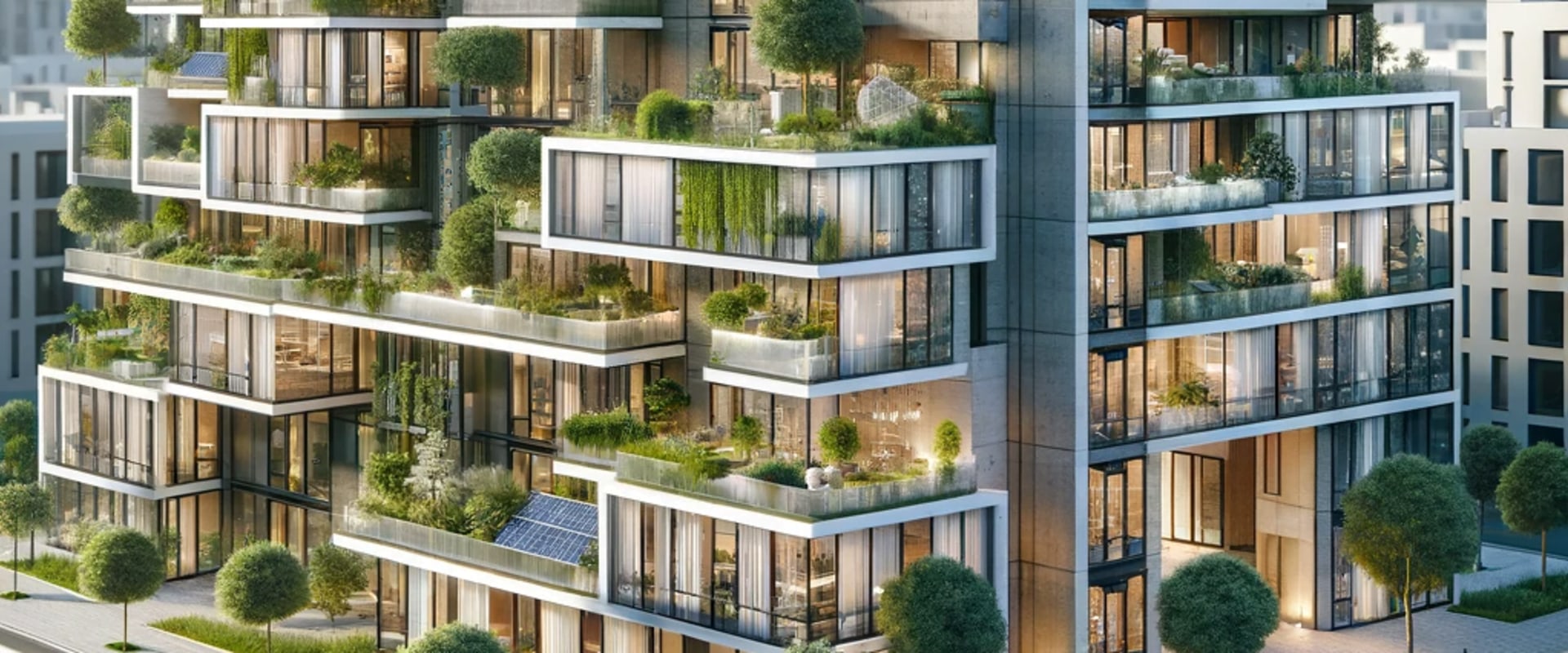
The Bosco Verticale, or "Vertical Forest," is a pair of residential towers designed by Stefano Boeri Architetti. This project incorporates over 9,000 trees and 20,000 plants on its balconies, promoting biodiversity and improving air quality in an urban setting.The design not only enhances the aesthetic appeal but also provides natural insulation, reducing energy consumption.
3.The Edge, Amsterdam
The Edge is a prime example of how technology can enhance sustainability in architectural design. Designed by PLP Architecture for Deloitte, this office building utilizes smart technology to optimize energy use and improve occupant comfort. With features like solar panels and a green roof, it has achieved a BREEAM rating of "Outstanding," showcasing the potential for architectural design services to create highly efficient workspaces.4.One Central Park, Sydney
This residential development by architect Frank Gehry integrates sustainable practices through its innovative use of green walls and rooftop gardens. One Central Park not only enhances urban biodiversity but also promotes community engagement with nature.The project demonstrates how residential spaces can be designed with sustainability at their core.These case studies illustrate that successful sustainable architectural projects are not just about meeting environmental standards; they are about creating spaces that enhance the quality of life while respecting the planet. By leveraging innovative design strategies and materials, architects can lead the way toward a more sustainable future.
Challenges and Solutions in Sustainable Architectural Design
Incorporating sustainability into architectural design services presents a unique set of challenges that architects must navigate. One of the primary obstacles is the initial cost associated with sustainable materials and technologies. Many clients may be hesitant to invest in green building solutions due to perceived high upfront costs, despite the long-term savings on energy and maintenance.Another significant challenge is the regulatory environment.Architects often face complex building codes and zoning laws that may not support innovative sustainable practices. These regulations can limit the use of certain materials or technologies that are essential for achieving sustainability goals.Additionally, there is a knowledge gap among some architects and builders regarding the latest sustainable practices and technologies. This lack of expertise can lead to suboptimal design choices that fail to meet sustainability objectives.
Proposed Solutions
- Education and Training: Continuous education programs for architects can help bridge the knowledge gap. Workshops, certifications, and partnerships with sustainability experts can enhance understanding of green building practices.
- Client Engagement: Educating clients about the long-term benefits of sustainable design can help alleviate concerns about initial costs.
Presenting case studies that demonstrate cost savings over time can be particularly persuasive.
- Advocacy for Policy Change: Architects can work with local governments to advocate for more flexible regulations that encourage sustainable practices. Engaging in community discussions can help shape policies that support green building initiatives.
- Innovative Design Solutions: Utilizing advanced software tools for energy modeling and simulation can help architects create designs that optimize energy efficiency while adhering to budget constraints.
Future Trends in Sustainable Architectural Design
The future of sustainable architecture is being shaped by a variety of innovative trends that prioritize environmental responsibility while enhancing the aesthetic and functional aspects of buildings. As architects increasingly embrace these trends, they are redefining the scope of architectural design services to include cutting-edge practices that promote sustainability.One significant trend is the integration of smart technology into building designs. Smart buildings utilize sensors and automation systems to optimize energy use, monitor environmental conditions, and enhance occupant comfort.This technology not only reduces energy consumption but also provides valuable data for ongoing sustainability efforts.Another emerging practice is the use of biophilic design, which seeks to connect occupants with nature through natural light, vegetation, and organic materials. This approach not only improves the well-being of inhabitants but also contributes to energy efficiency by reducing reliance on artificial lighting and climate control.
- Modular construction: This method allows for prefabricated components to be assembled on-site, minimizing waste and reducing construction time. It also enables greater flexibility in design, making it easier to adapt buildings for future needs.
- Renewable energy integration: Architects are increasingly designing buildings that incorporate renewable energy sources such as solar panels and wind turbines. This trend not only reduces a building's carbon footprint but can also lead to significant cost savings over time.
- Sustainable materials: The use of recycled, reclaimed, or rapidly renewable materials is becoming more common in architectural design.
These materials help reduce the environmental impact of construction while often providing unique aesthetic qualities.
Conclusion: The Path Forward for Sustainable Architecture
As we conclude our exploration of how architects incorporate sustainability into their designs, it is clear that the future of architectural design services hinges on a commitment to environmental stewardship. The integration of sustainable practices is not merely a trend; it is a necessity for addressing the pressing challenges posed by climate change and resource depletion.Throughout this article, we have highlighted several key strategies that architects employ to create sustainable buildings. These include:- Energy Efficiency: Utilizing advanced technologies and materials to minimize energy consumption.
- Renewable Resources: Incorporating solar panels, wind turbines, and other renewable energy sources into building designs.
- Water Conservation: Implementing systems for rainwater harvesting and greywater recycling to reduce water usage.
- Material Selection: Choosing sustainable, locally sourced materials that have a lower environmental impact.
- Site Responsiveness: Designing buildings that harmonize with their natural surroundings, reducing disruption to local ecosystems.
As urban populations continue to grow, the demand for innovative architectural design services that prioritize sustainability will only increase. Architects must embrace a holistic approach that considers not just the aesthetics of a building but also its long-term impact on the environment and community.In moving forward, collaboration among architects, engineers, and clients will be essential in fostering a culture of sustainability within the industry. By prioritizing sustainable architectural practices today, we can pave the way for a healthier planet and more resilient communities tomorrow. The path forward is clear: sustainable architecture is not just an option; it is an imperative for future generations.