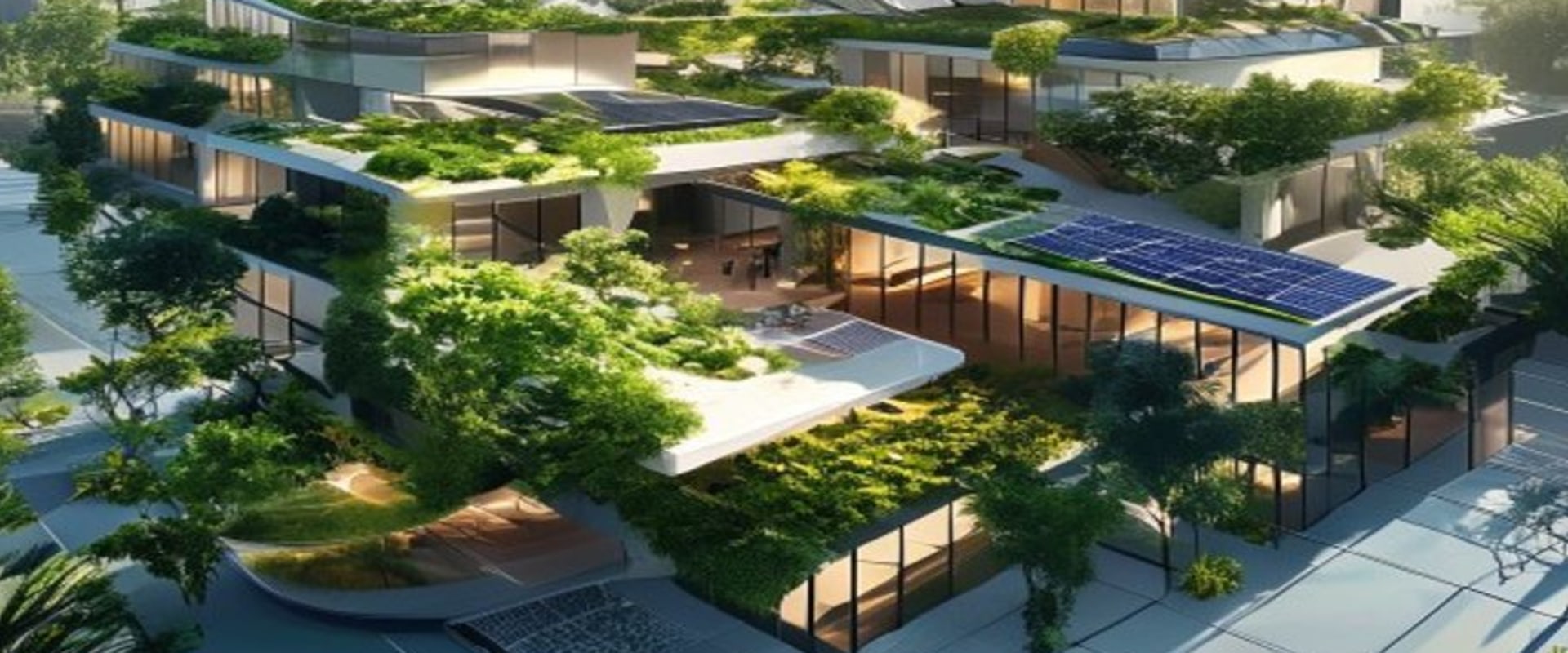
In the ever-evolving landscape of architecture, the ability to adapt is not just beneficial; it is essential. As architectural design services continue to integrate new technologies and respond to shifting societal needs, architects must embrace change to remain relevant and competitive. The importance of adaptation in architectural design cannot be overstated, as it directly influences the quality, sustainability, and functionality of built environments. With advancements in technology such as Building Information Modeling (BIM), 3D printing, and sustainable materials, architects are presented with unprecedented opportunities to enhance their designs. These innovations not only streamline the design process but also allow for greater precision and creativity.
Furthermore, as industry trends shift towards eco-friendly practices and smart building solutions, architects who adapt their services accordingly can meet the growing demand for sustainable architecture. Moreover, understanding and responding to changing client expectations is crucial. Today's clients are more informed and have higher expectations regarding design aesthetics, functionality, and environmental impact. By staying attuned to these trends and incorporating them into their architectural design services, architects can create spaces that resonate with users while also pushing the boundaries of traditional design.
Emerging Technologies Impacting Architectural Design Services
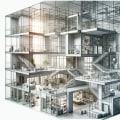
As the architectural landscape evolves, emerging technologies are playing a pivotal role in reshaping architectural design services. These innovations not only enhance the efficiency of design processes but also improve collaboration and client engagement.One of the most significant advancements is Building Information Modeling (BIM).This technology allows architects to create detailed 3D models that incorporate various aspects of a building's lifecycle. With BIM, architects can visualize the project in its entirety, facilitating better decision-making and reducing errors during construction. The integration of real-time data into these models enables architects to assess energy efficiency, material usage, and even cost implications before the first brick is laid.
Artificial Intelligence (AI)
is another transformative force in architectural design. AI algorithms can analyze vast amounts of data to identify patterns and trends that inform design choices.For instance, AI can assist in optimizing space utilization or predicting how a building will perform under different environmental conditions. By automating routine tasks, architects can focus more on creative problem-solving and innovative design.
Virtual Reality (VR)
is revolutionizing how architects present their designs to clients. Through immersive experiences, clients can walk through a virtual model of their future space, providing feedback that can be integrated into the design process. This not only enhances client satisfaction but also streamlines revisions and approvals.In addition to these technologies, augmented reality (AR) is gaining traction in architectural practices.AR overlays digital information onto the physical world, allowing architects to visualize how new structures will fit into existing environments. This capability is particularly useful for urban planning and renovation projects.As these technologies continue to advance, architects must remain adaptable, integrating new tools into their workflows to stay competitive. By embracing these innovations, they can enhance their architectural design services, ultimately leading to more sustainable and user-centered buildings.
Sustainable Design Trends and Their Influence on Architecture
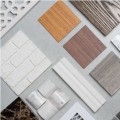
As the demand for sustainable architecture trends continues to rise, architects are increasingly integrating eco-friendly practices into their architectural design services. This shift is not merely a response to regulatory pressures but also a reflection of a growing societal commitment to environmental stewardship.One of the most significant trends in sustainable design is the use of green building practices.Architects are now prioritizing materials that are renewable, recyclable, and have a low environmental impact. For instance, the adoption of bamboo, reclaimed wood, and recycled steel is becoming commonplace. These materials not only reduce the carbon footprint of buildings but also enhance their aesthetic appeal.Moreover, architects are leveraging advanced technologies such as Building Information Modeling (BIM) to optimize energy efficiency. BIM allows for precise simulations of energy consumption, enabling architects to design buildings that minimize waste and maximize resource efficiency.
This technology facilitates better planning and execution of sustainable features like solar panels and green roofs.
- Passive Design Strategies: Architects are incorporating passive solar design principles to harness natural light and heat, reducing reliance on artificial lighting and heating systems.
- Water Conservation: Innovative water management systems, including rainwater harvesting and greywater recycling, are being integrated into designs to promote water sustainability.
- Indoor Air Quality: The use of non-toxic materials and proper ventilation systems is essential in creating healthier indoor environments.
The Role of Client Expectations in Shaping Architectural Services
In the ever-evolving landscape of architecture, client expectations play a pivotal role in shaping the services offered by architects. As clients become more informed and involved in the design process, their demands for personalized and innovative solutions have increased significantly.This shift necessitates that architectural design services not only adapt to these expectations but also anticipate them.One of the primary ways architects can meet changing client needs is through enhanced communication. Regular consultations and feedback sessions allow architects to understand their clients' visions and preferences better. This collaborative approach fosters a sense of partnership, ensuring that the final design aligns closely with the client's aspirations.Moreover, architects are increasingly leveraging technology to enhance client engagement. Tools such as virtual reality (VR) and 3D modeling enable clients to visualize their projects in real-time, making it easier for them to express their expectations and make informed decisions.
This technological integration not only streamlines the design process but also empowers clients, giving them a more active role in shaping their spaces.Another critical aspect is the growing emphasis on sustainability and eco-friendly practices. Clients today are more conscious of their environmental impact and often seek architectural design services that prioritize sustainable materials and energy-efficient solutions. Architects must stay abreast of these trends and incorporate them into their designs to meet client expectations effectively.In summary, adapting to changing client expectations in architecture requires a multifaceted approach that emphasizes communication, technological integration, and sustainability. By prioritizing these elements, architects can ensure that their services remain relevant and responsive to the evolving needs of their clients.
The Impact of Remote Work on Architectural Practices
The shift to remote work has significantly transformed the landscape of architectural design services.As architects adapt to this new norm, they are leveraging technology to maintain productivity and foster collaboration among team members and clients.One of the most notable changes is the increased reliance on digital tools. Architects are utilizing advanced software for remote collaboration, allowing teams to work on projects simultaneously from different locations. Tools such as BIM (Building Information Modeling) and cloud-based platforms enable real-time updates and seamless communication, ensuring that all stakeholders are aligned throughout the design process.Moreover, virtual meetings have become a staple in architectural practices. Architects are conducting design reviews and client presentations via video conferencing platforms, which not only saves time but also expands their reach to clients who may be located far away.
This shift has encouraged architects to enhance their presentation skills and utilize visual aids effectively to convey their ideas.To further adapt to remote work, many architectural firms are re-evaluating their project management strategies. Implementing agile methodologies allows teams to respond quickly to changes and feedback, fostering a more dynamic workflow. Regular check-ins and updates help maintain accountability and ensure that projects stay on track.Additionally, architects are focusing on building a strong remote culture. This includes creating opportunities for team bonding through virtual social events and encouraging open communication.
By fostering a sense of community, firms can enhance collaboration and creativity, which are essential in the field of architecture.In conclusion, the impact of remote work on architectural practices is profound. By embracing technology and adapting their workflows, architects can continue to deliver high-quality architectural design services while navigating the challenges posed by this evolving work environment.
Integrating Digital Tools for Enhanced Design Processes
In the rapidly evolving field of architecture, digital tools have become indispensable for enhancing design processes. Architects are increasingly leveraging advanced software solutions to streamline their workflows, improve collaboration, and deliver innovative designs that meet client expectations.One of the most significant advancements in architectural design services is the use of Building Information Modeling (BIM). This technology allows architects to create detailed 3D models that incorporate not only the physical aspects of a building but also its functional characteristics.By using BIM, architects can visualize the entire project lifecycle, from conception to construction and maintenance, leading to more informed decision-making.Another essential tool in modern architectural practice is computer-aided design (CAD) software. CAD programs enable architects to draft precise plans and elevations with ease. These tools facilitate quick modifications and iterations, allowing for greater flexibility in the design process. Additionally, CAD software often integrates with other digital tools, enhancing overall project efficiency.
Visualization tools
, such as virtual reality (VR) and augmented reality (AR), are also transforming how architects present their designs.By immersing clients in a virtual environment, architects can provide a more intuitive understanding of spatial relationships and design elements. This not only enhances client engagement but also helps in identifying potential issues before construction begins.Furthermore, project management software has become crucial for coordinating teams and managing timelines effectively. Tools like Asana, Trello, and Microsoft Project allow architects to track progress, assign tasks, and ensure that all stakeholders are aligned throughout the project lifecycle.In conclusion, the integration of these digital tools into architectural design services is not just a trend; it is a necessity for staying competitive in an industry that demands innovation and efficiency. As technology continues to advance, architects who embrace these tools will be better equipped to adapt to changing trends and deliver exceptional results.
Future Trends: What Lies Ahead for Architectural Design Services?
As we look to the future, architectural design services are poised to undergo significant transformations driven by emerging technologies and evolving societal needs.Architects must remain vigilant and adaptable to harness these changes effectively.
1.Integration of Smart Technologies
- The rise of smart buildings equipped with IoT (Internet of Things) devices will redefine how architects approach design. These technologies enable real-time data collection, enhancing energy efficiency and user experience.
- Architects will need to incorporate systems that allow for seamless integration of smart technologies, ensuring that buildings are not only functional but also responsive to the needs of their occupants.
2.Sustainable Design Practices
- With increasing awareness of climate change, sustainable architecture will become a priority. Architects will focus on using eco-friendly materials and designing structures that minimize environmental impact.
- Future architectural design services will likely include advanced modeling techniques to predict energy consumption and optimize resource use throughout a building's lifecycle.
3.Virtual Reality and Augmented Reality
- The use of VR and AR in architectural design is set to revolutionize client presentations and project visualization. These technologies allow clients to experience designs in immersive environments before construction begins.
- This not only enhances client engagement but also aids architects in refining their designs based on real-time feedback.
4.Modular and Prefabricated Construction
- The trend towards modular construction is gaining momentum, offering faster build times and reduced waste.
Architects will need to adapt their designs to accommodate prefabricated components while maintaining aesthetic integrity.
- This shift can lead to more cost-effective solutions, making high-quality architecture accessible to a broader audience.
FAQs About Adapting Architectural Design Services to Change
As the architectural landscape evolves, many clients have questions about how architectural design services are adapting to these changes. Here are some frequently asked questions that address these concerns:- How are architects incorporating new technologies into their designs?
Architects are increasingly utilizing advanced software and tools such as Building Information Modeling (BIM), virtual reality (VR), and augmented reality (AR) to enhance their design processes. These technologies allow for more accurate visualizations, improved collaboration, and efficient project management. - What role does sustainability play in modern architectural design?
Sustainability is a critical focus in contemporary architecture.Many architectural design services now prioritize eco-friendly materials, energy-efficient systems, and sustainable building practices to minimize environmental impact and promote long-term viability.
- How do architects stay updated on industry trends?
Architects often engage in continuous education through workshops, seminars, and professional organizations. They also follow industry publications and participate in online forums to stay informed about the latest trends and technologies. - What are some common challenges architects face when adapting to change?
Adapting to new technologies can be challenging due to the learning curve associated with new tools. Additionally, balancing client expectations with innovative design solutions can create tension, especially when clients may be hesitant to embrace change.