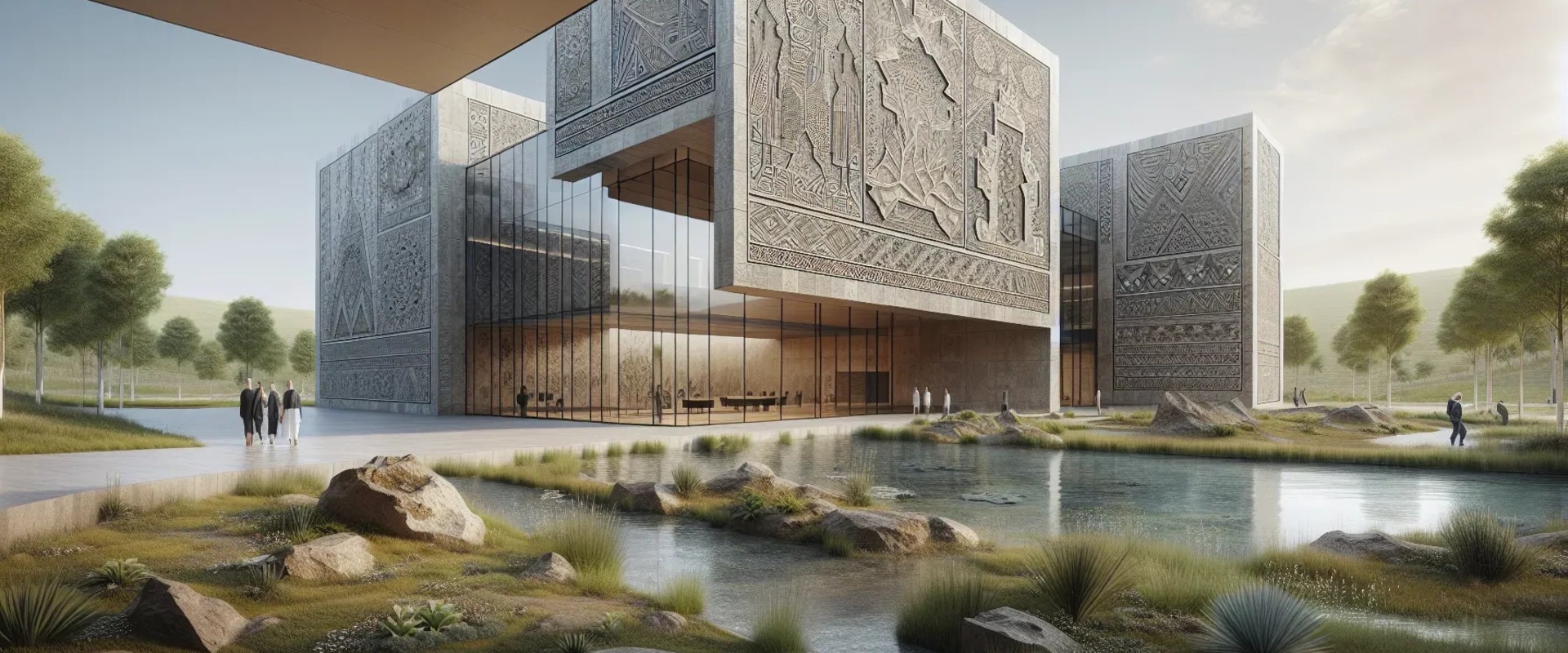
In the realm of architectural design services, the integration of cultural and historical elements is not merely an aesthetic choice; it is a profound necessity that shapes the identity of a space. Architecture serves as a tangible reflection of a community's values, traditions, and historical narratives. By weaving these elements into their designs, architects create structures that resonate with the people who inhabit them, fostering a sense of belonging and continuity. The cultural context in architecture plays a pivotal role in determining how buildings are perceived and utilized. Each region boasts its own unique cultural heritage, which influences everything from materials and colors to spatial organization and functionality.
For instance, in areas with rich indigenous histories, architects may draw inspiration from traditional building techniques or local craftsmanship, ensuring that new constructions honor the past while serving contemporary needs. Similarly, the historical context in architecture cannot be overlooked. Understanding the historical significance of a site allows architects to create designs that respect and enhance the existing landscape. This approach not only preserves the architectural legacy of a place but also educates future generations about their heritage. By acknowledging the past, architects can craft spaces that tell stories, bridging the gap between history and modernity. Ultimately, the importance of culture in design extends beyond aesthetics; it is about creating environments that are meaningful and relevant.
As architects continue to explore innovative ways to incorporate these elements into their work, they contribute to a richer architectural dialogue that honors both tradition and progress.
Understanding Cultural Influences in Architectural Design
Architects play a crucial role in shaping the built environment, and one of the most significant aspects of their work is the incorporation of cultural influences into architectural design. Understanding local traditions, materials, and community values is essential for creating spaces that resonate with their surroundings.Cultural influences
in architecture can manifest in various ways, from the choice of materials to the overall design aesthetic. For instance, in regions with a rich history, architects often draw inspiration from traditional building styles that reflect the local heritage. This not only honors the past but also creates a sense of continuity within the community.- Local Traditions: Many architects study the customs and practices of a community to ensure that their designs align with cultural norms.
For example, in many Indigenous cultures, buildings are designed to harmonize with nature, using organic shapes and sustainable materials.
- Materials: The selection of materials is another way architects incorporate cultural elements. In Mediterranean architecture, for instance, the use of terracotta tiles and stucco reflects the region's climate and historical building practices.
- Community Values: Architects often engage with local communities to understand their values and aspirations. This engagement can lead to designs that not only meet functional needs but also foster a sense of belonging and identity.
These examples illustrate how cultural narratives can be woven into architectural forms.In conclusion, architectural design services that prioritize cultural influences not only enhance aesthetic appeal but also create meaningful connections between people and their environment. By respecting and integrating local traditions, materials, and community values, architects can produce designs that are both innovative and deeply rooted in cultural significance.
Historical Elements: Learning from the Past
Architects often look to the past for inspiration, drawing from historical architecture to create designs that resonate with cultural significance and aesthetic beauty. By incorporating elements from various historical styles, architects not only pay homage to their predecessors but also enrich contemporary spaces with a sense of identity and continuity.One of the primary ways architects incorporate history into their designs is through the use of traditional materials and techniques. For instance, the revival of brickwork and stone masonry can evoke a sense of nostalgia while ensuring durability and sustainability.These materials often tell a story, reflecting the local context and craftsmanship of bygone eras.Additionally, architects may draw upon specific historical styles, such as Gothic, Renaissance, or Art Deco, to inform their design choices. This can manifest in various ways:
- Architectural Features: Elements like arches, columns, and decorative moldings can be reinterpreted to create modern structures that still honor traditional aesthetics.
- Color Palettes: Historical buildings often feature unique color schemes that reflect the materials used in their construction. Incorporating these palettes can enhance the visual appeal of new designs.
- Spatial Organization: The layout of historical buildings can inspire contemporary floor plans that promote functionality while maintaining a connection to the past.
This approach not only fosters a sense of place but also encourages community engagement by celebrating local history.In conclusion, by thoughtfully integrating historical elements into their designs, architects provide a bridge between the past and present. This practice not only enhances the aesthetic value of new constructions but also ensures that the stories and traditions embedded in architectural heritage continue to inspire future generations.
Case Studies: Successful Integration of Culture and History
Architects around the world have successfully integrated cultural and historical elements into their designs, creating spaces that resonate with local identity and heritage. Here are a few notable case studies that exemplify this practice:- The National Museum of African American History and Culture in Washington, D.C. - Designed by David Adjaye, this museum incorporates elements of African American culture and history through its unique architectural form.
The building's bronze-colored exterior is inspired by the intricate ironwork of the enslaved artisans, symbolizing resilience and creativity.
- The Sydney Opera House - A masterpiece by Jørn Utzon, this iconic structure reflects the natural beauty of Sydney's harbor. Its sail-like design pays homage to the maritime culture of Australia, while also incorporating indigenous Australian motifs in its interior spaces, creating a dialogue between the past and present.
- The Louvre Abu Dhabi - Designed by Jean Nouvel, this museum merges contemporary architecture with traditional Arabic design. The dome's intricate pattern creates a 'rain of light' effect reminiscent of the region's historic souks, bridging cultural heritage with modern aesthetics.
This approach not only enriches the design process but also fosters a sense of ownership among community members, making the structures more than just buildings—they become symbols of cultural pride.In conclusion, integrating cultural and historical elements into architectural designs is not merely an aesthetic choice; it is a profound way to honor and celebrate the rich tapestry of human experience. As seen in these case studies, when architects embrace this philosophy, they create spaces that inspire and connect people to their heritage.
Challenges Architects Face When Incorporating Cultural and Historical Elements
Incorporating cultural and historical elements into architectural design services presents a unique set of challenges for architects. One of the primary difficulties is achieving a balance between modern needs and traditional values. As urban environments evolve, architects must consider how to integrate contemporary functionality while respecting the historical context of a site.Another significant challenge is cultural sensitivity.Architects must navigate the complexities of different cultural narratives and ensure that their designs do not inadvertently misrepresent or appropriate cultural symbols. This requires extensive research and collaboration with local communities to understand their values and traditions.
- Historical Preservation Issues: Many projects involve existing structures that are protected by preservation laws. Architects must work within these constraints, which can limit design options and require innovative solutions to maintain the integrity of the original architecture.
- Community Engagement: Engaging with the community is essential but can be challenging. Architects often face resistance from local stakeholders who may have differing opinions on what constitutes appropriate design.
- Budget Constraints: Incorporating cultural and historical elements can sometimes lead to increased costs.
Architects must find ways to achieve their vision without exceeding budgetary limits, which can be particularly challenging when working with specialized materials or techniques.
The Role of Community Engagement in Architectural Design Services
Incorporating cultural and historical elements into architectural design services requires a deep understanding of the community's identity.Community engagement
plays a pivotal role in this process, ensuring that the voices of local residents are heard and valued. By actively involving the community, architects can create spaces that resonate with the people who inhabit them.Participatory design processes
are essential for fostering collaboration between architects and community members.
These processes often include workshops, public meetings, and surveys that invite feedback and ideas from local stakeholders. This approach not only enriches the design but also builds a sense of ownership among residents, making them more likely to embrace and care for the final outcome.One effective method of community engagement is through charrettes, which are intensive planning sessions where community members and designers work together to develop ideas. During these sessions, participants can share their experiences, cultural narratives, and historical insights that may influence the architectural design. This collaborative effort helps ensure that the resulting structures reflect the unique character of the area.Moreover, architects can utilize local input to identify significant cultural landmarks or historical sites that should be preserved or highlighted in new designs.
By integrating these elements into their work, architects not only honor the past but also create a dialogue between history and modernity.Ultimately, when architects prioritize community engagement in their design services, they foster an environment where cultural and historical elements are not just acknowledged but celebrated. This leads to more meaningful architecture that enhances the community's identity and strengthens its social fabric.
Future Trends: Evolving Architectural Design Services with Culture and History
As we look towards the future, architectural design services are increasingly evolving to incorporate cultural and historical elements that resonate with contemporary societal values. This shift is not merely a trend but a necessary adaptation to the growing demand for cultural sustainability in architecture.One of the most significant future trends is the integration of local materials and traditional building techniques into modern designs. Architects are recognizing that using locally sourced materials not only reduces environmental impact but also pays homage to the region's cultural heritage.This practice fosters a sense of place and identity, allowing buildings to tell a story that reflects their surroundings.Moreover, architects are embracing adaptive reuse, which involves repurposing existing structures rather than demolishing them. This approach not only preserves historical significance but also aligns with sustainable practices by minimizing waste. For instance, transforming an old factory into residential lofts can breathe new life into a community while maintaining its historical context.
- Cultural Sensitivity: Future architectural practices will prioritize cultural sensitivity, ensuring that designs respect and reflect the traditions and values of local communities.
- Community Engagement: Architects are increasingly involving community members in the design process, allowing for a collaborative approach that honors local history and culture.
- Technology Integration: The use of technology, such as virtual reality, can help architects visualize how new designs will interact with historical contexts, ensuring harmony between the old and the new.
FAQs About Cultural and Historical Elements in Architectural Design
When it comes to architectural design services, many clients have questions about how cultural and historical elements are integrated into modern designs.Here are some frequently asked questions that can provide clarity on this topic:
What role do cultural elements play in architectural design?
Cultural elements are essential in architectural design as they reflect the identity and values of a community. Incorporating local traditions, materials, and aesthetics helps create buildings that resonate with their surroundings and foster a sense of belonging.How do architects research historical elements for their designs?
Architects often conduct extensive research through:- Historical documents: These include archives, photographs, and blueprints that provide insights into past architectural styles.
- Site visits: Observing existing structures and their context helps architects understand the historical significance of a location.
- Community engagement: Talking to local historians and residents can reveal stories and traditions that influence design choices.
Can modern architecture incorporate traditional styles?
Yes, modern architecture can successfully incorporate traditional styles by blending contemporary techniques with historical aesthetics. This approach not only honors the past but also creates innovative spaces that meet current needs.What are some examples of cultural influences in architecture?
Cultural influences can manifest in various ways, such as:- Material selection: Using locally sourced materials that reflect regional characteristics.
- Design motifs: Incorporating patterns or symbols significant to a culture.
- Spatial organization: Designing layouts that align with cultural practices, such as communal spaces for gatherings.