Understanding Your Home Design Needs and Goals
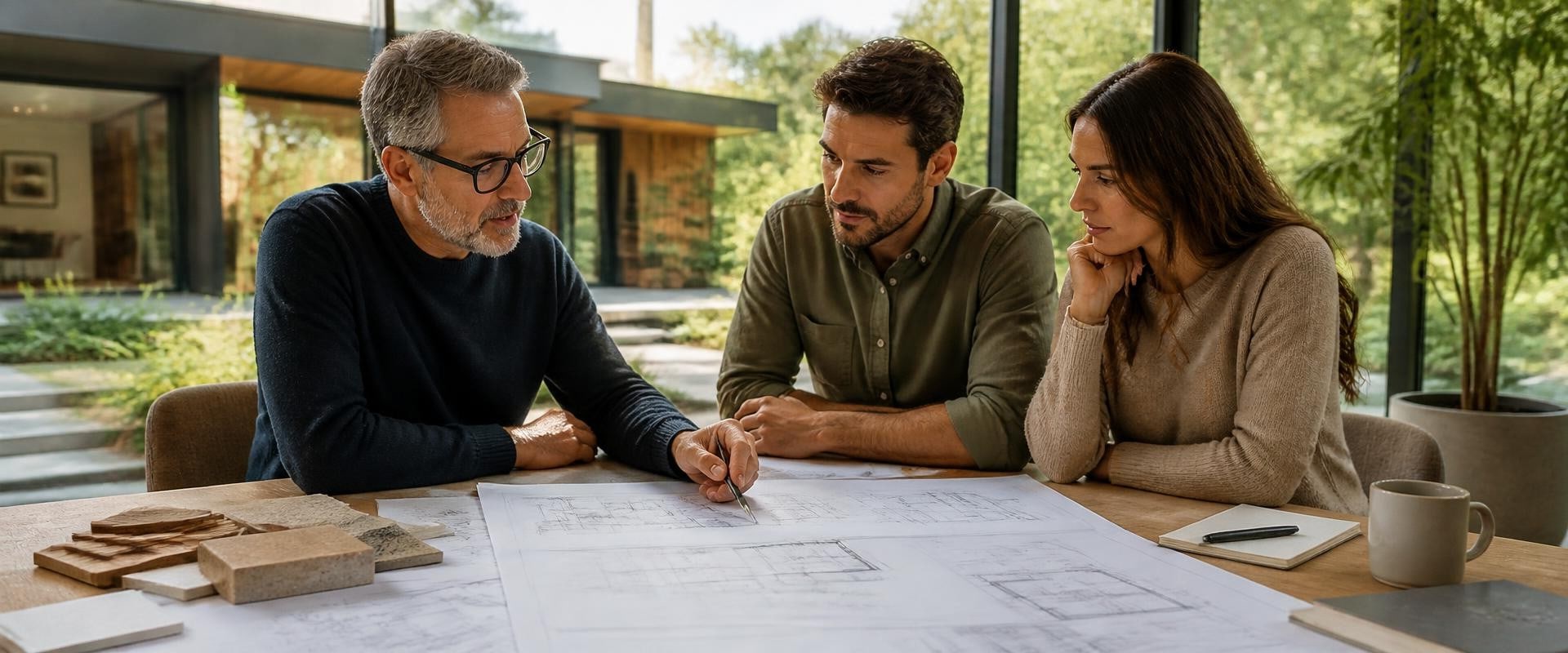
Choosing the right architectural design services is an important step toward creating a home that reflects your lifestyle, preferences, and long-term needs. Whether planning a new construction project, expanding an existing property, or undertaking a major renovation, professional architectural guidance helps transform ideas into practical designs. Before selecting an architect, homeowners should identify their priorities, including preferred architectural styles, functional requirements, available space, and overall budget. Establishing clear objectives allows design professionals to develop solutions that balance visual appeal, structural integrity, and everyday convenience.
Evaluating Professional Experience and Qualifications
Experience and professional qualifications are essential considerations when selecting architectural design services. Homeowners should review an architect's educational background, licensing, previous projects, and areas of specialization. Professionals with experience in residential construction are generally better equipped to understand household requirements, local building regulations, and common design challenges. Examining portfolios can also provide valuable insights into their creativity, technical expertise, and ability to accommodate different architectural preferences.
Considering Budget and Project Costs
Establishing a realistic budget helps ensure that architectural plans remain financially achievable. Homeowners should discuss design fees, construction estimates, material preferences, and potential additional expenses before committing to a project. Experienced architects can recommend cost-effective materials and efficient layouts without unnecessarily compromising quality. Transparent communication about financial limitations also helps prevent misunderstandings and unexpected expenses throughout the planning process.
Prioritizing Functional Layouts and Outdoor Spaces
A well-designed home should provide comfortable indoor environments while making effective use of available outdoor space. Architects can develop layouts that improve natural lighting, ventilation, privacy, and accessibility. Exterior considerations, including landscaping, walkways, and property boundaries, should also be incorporated into the overall design. Coordinating with a qualified fence contractor during outdoor planning can help ensure that fencing complements the home's architectural style while addressing security, privacy, and property boundary requirements.
Assessing Communication and Collaboration Skills
Successful architectural projects depend on effective communication between homeowners, designers, engineers, and construction professionals. Architects should be willing to listen to client preferences, explain technical concepts, and provide regular project updates. Clear communication encourages informed decision-making and allows potential design concerns to be addressed before construction begins.
Incorporating Sustainability and Future Needs
Modern architectural design increasingly emphasizes energy efficiency, sustainable materials, and adaptable living spaces. Homeowners should consider designs that accommodate future family changes, technological upgrades, and evolving accessibility requirements. Thoughtful planning can improve long-term functionality while potentially reducing maintenance and energy expenses.
Making an Informed Architectural Design Decision
Selecting architectural services requires balancing creativity, experience, affordability, and professional reliability. By reviewing qualifications, discussing expectations, and evaluating proposed designs, homeowners can choose professionals capable of delivering attractive, functional, and durable residential spaces that meet their needs for years to come.


