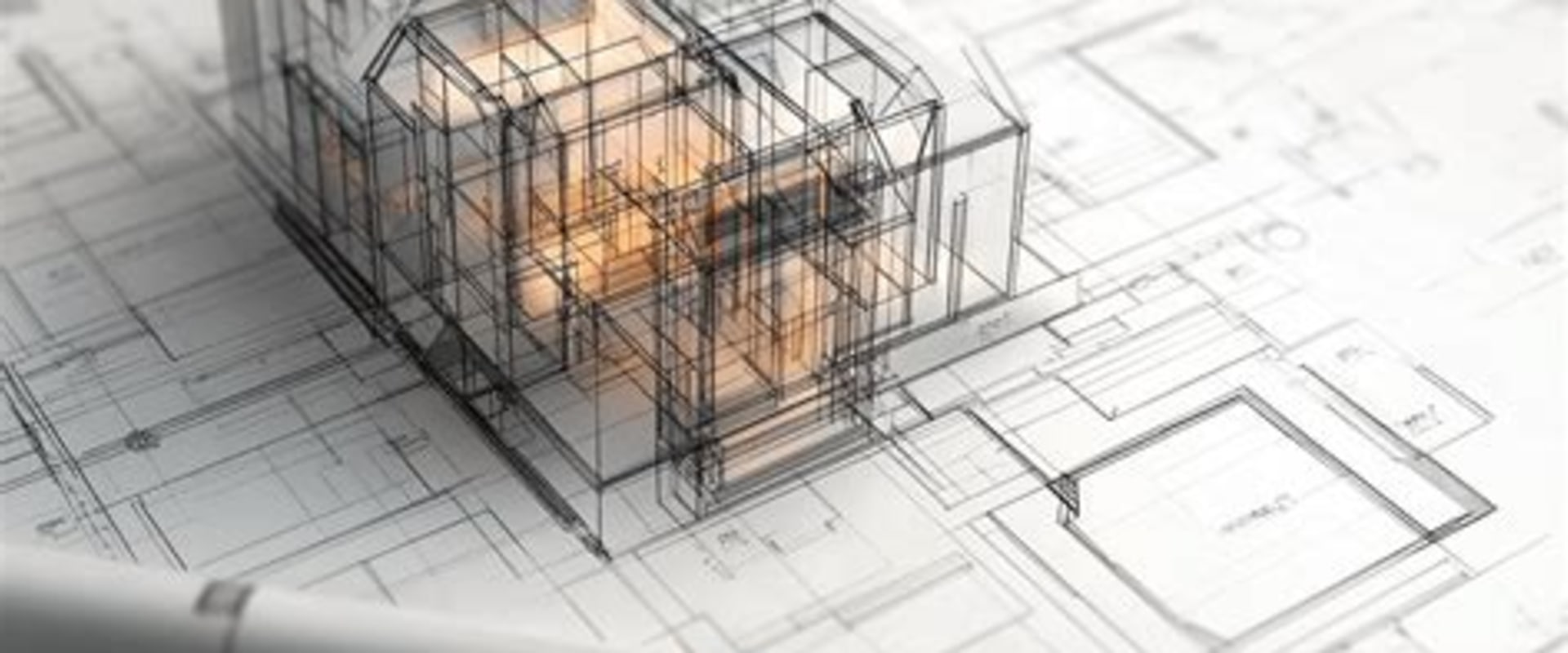
Architectural design services encompass a wide range of professional activities that are essential in the creation and realization of buildings and spaces. These services are not merely about aesthetics; they integrate functionality, safety, and sustainability into the design process. At their core, architectural design services involve the conceptualization and planning of structures, ensuring that they meet both the needs of the client and the regulatory requirements of the environment in which they are situated.The definition of architectural design services can be understood as a comprehensive approach to designing spaces that harmonize with their surroundings while fulfilling specific purposes. This includes everything from initial consultations and site analysis to detailed drawings and project management.
Architects work closely with clients to translate their visions into tangible designs, considering factors such as budget, materials, and local building codes.In today’s rapidly evolving construction landscape, architectural design services also play a crucial role in promoting sustainability and innovation. With an increasing emphasis on eco-friendly practices, architects are now tasked with integrating green technologies and sustainable materials into their designs. This not only enhances the environmental performance of buildings but also contributes to long-term cost savings for clients.Understanding architectural design services is vital for anyone looking to embark on a construction project, whether it’s a residential home or a commercial complex. By engaging with these services, clients can ensure that their projects are not only visually appealing but also structurally sound and environmentally responsible.
The Importance of Architectural Design Services
Architectural design services play a pivotal role in the success of any construction project, whether it’s a residential home, commercial building, or public infrastructure.These services encompass a range of activities that ensure the final structure is not only visually appealing but also functional and compliant with local regulations.
One of the primary benefits
of engaging architectural design services is the enhancement of aesthetics. Architects possess the expertise to create designs that are not only innovative but also harmonize with their surroundings. This attention to detail can significantly increase the property’s value and appeal, making it more attractive to potential buyers or tenants.Moreover, architectural design services are essential for optimizing functionality. A well-designed space considers the needs of its users, ensuring that every square foot is utilized effectively.This includes thoughtful layouts that promote ease of movement and accessibility, as well as the integration of modern amenities that enhance the user experience.Compliance with building codes and regulations is another critical aspect where architectural design services shine. Architects are well-versed in local laws and standards, which helps prevent costly delays and legal issues during construction. By ensuring that all designs meet these requirements from the outset, architects save clients time and money in the long run.In summary, the importance of architectural design services cannot be overstated. They provide a comprehensive approach to creating spaces that are not only beautiful but also practical and compliant with regulations.
Investing in these services ultimately leads to successful projects that stand the test of time.
Types of Architectural Design Services
Architectural design services encompass a wide range of specialties, each tailored to meet the unique needs of different projects. Understanding the various types of architectural design services can help clients choose the right professionals for their specific requirements.- Residential Design: This type focuses on creating functional and aesthetically pleasing living spaces. Residential architects work on single-family homes, multi-family units, and even custom-built residences. They consider factors such as family dynamics, lifestyle, and local building codes to create spaces that are both beautiful and practical.
- Commercial Design: Commercial architectural design services cater to businesses and organizations.
This includes designing office buildings, retail spaces, restaurants, and more. The emphasis here is on creating environments that enhance productivity and customer experience while adhering to zoning laws and regulations.
- Landscape Architecture: Landscape architects specialize in outdoor spaces, integrating natural elements with built environments. Their work includes parks, gardens, and public spaces, focusing on sustainability and ecological balance. They consider factors like climate, soil type, and local flora to create harmonious outdoor areas.
- Interior Design: Interior design services involve the planning and decoration of interior spaces.
Interior designers work closely with clients to select materials, colors, furnishings, and layouts that reflect the client’s style while ensuring functionality. They also address aspects like lighting and acoustics to enhance the overall atmosphere.
The Architectural Design Process
The architectural design process is a systematic approach that transforms ideas into tangible structures. This process typically unfolds in several key phases, each critical to the success of the project.- Initial Consultation: This first step involves meeting with clients to discuss their vision, needs, and budget.
Understanding the client's goals is essential for tailoring the design to meet their expectations.
- Site Analysis: Architects conduct a thorough analysis of the site, considering factors such as topography, climate, and local regulations. This information informs design decisions and helps identify potential challenges.
- Conceptual Design: In this phase, architects create preliminary sketches and concepts based on the information gathered. These designs focus on layout, aesthetics, and functionality, allowing clients to visualize the project.
- Design Development: Once a concept is approved, architects refine the design by selecting materials, finishes, and systems. This stage often includes detailed drawings and models that provide a clearer picture of the final product.
- Construction Documents: The final phase involves preparing comprehensive documents that outline specifications and instructions for construction.
These documents are crucial for obtaining permits and guiding contractors during the building process.
Choosing the Right Architectural Design Service Provider
Choosing the right architectural design services provider is crucial for the success of your project. Here are some key factors to consider when selecting an architect:- Qualifications: Ensure that the architect holds the necessary licenses and certifications required in your state. This not only guarantees their expertise but also ensures compliance with local regulations.
- Experience: Look for a provider with a proven track record in projects similar to yours.
An architect with experience in residential, commercial, or specific styles can offer valuable insights and solutions tailored to your needs.
- Portfolio Evaluation: Review the architect's portfolio to assess their design style and quality of work. Pay attention to completed projects that resonate with your vision. A diverse portfolio can indicate versatility and creativity.
- Client Testimonials: Seek feedback from previous clients to gauge their satisfaction level. Positive testimonials can provide reassurance about the architect's reliability and professionalism.
- Communication Skills: Effective communication is essential throughout the design process.
Choose an architect who listens to your ideas, provides constructive feedback, and keeps you informed at every stage.
- Budget Considerations: Discuss your budget upfront. A good architect will work within your financial constraints while still delivering quality design solutions.
Cost Factors in Architectural Design Services
Understanding the cost of architectural design services is crucial for anyone planning a construction or renovation project. Several factors can influence these costs, and being aware of them can help you budget more effectively.- Project Complexity: The intricacy of your design significantly impacts the overall cost.
More complex projects require more time and expertise, leading to higher fees.
- Location: Geographic location plays a vital role in pricing. Urban areas often have higher costs due to increased demand and living expenses, while rural areas may offer more competitive rates.
- Architect's Experience: Established architects with a strong portfolio may charge more for their services. However, their experience can lead to better design solutions and fewer costly mistakes.
- Scope of Services: The range of services you require will also affect the cost. Basic design services will be less expensive than comprehensive packages that include project management, site analysis, and post-construction support.
- Materials and Technology: The choice of materials and the use of advanced technology in the design process can increase costs.
Sustainable materials or cutting-edge design software may come at a premium but can enhance the overall quality of your project.
Frequently Asked Questions About Architectural Design Services
When considering architectural design services, many clients have questions that can help clarify the process and expectations. Here are some of the most frequently asked questions:- What do architectural design services include?
Architectural design services typically encompass a range of activities, including initial consultations, site analysis, conceptual design, detailed drawings, and project management. These services ensure that the final structure is not only aesthetically pleasing but also functional and compliant with local regulations. - How long does the architectural design process take?
The duration of the architectural design process can vary significantly based on the project's complexity and size.Generally, it can take anywhere from a few weeks to several months. Factors such as client feedback, revisions, and permitting processes can also influence the timeline.
- What is the difference between an architect and a designer?
While both architects and designers work on building projects, architects are licensed professionals who have completed extensive education and training. They are qualified to create detailed plans that comply with building codes and regulations. Designers may focus more on aesthetics and interior spaces without necessarily having formal architectural training. - How much do architectural design services cost?
The cost of architectural design services can vary widely based on factors such as project scope, location, and the architect's experience.Some architects charge a flat fee, while others may work on an hourly basis or a percentage of the total construction cost. It's essential to discuss fees upfront to avoid any surprises later.
- Can I make changes during the design process?
Yes, clients are encouraged to provide feedback throughout the design process. However, significant changes may affect timelines and costs, so it's important to communicate openly with your architect about any adjustments you wish to make.
Conclusion: The Value of Professional Architectural Design Services
In conclusion, architectural design services play a crucial role in the successful realization of any construction project, whether residential or commercial. By engaging with professional architects, clients can ensure that their visions are translated into functional and aesthetically pleasing designs that meet their specific needs.Throughout this article, we have explored the multifaceted benefits of utilizing these services:- Expertise and Experience: Professional architects bring a wealth of knowledge and experience to the table, allowing them to navigate complex design challenges and regulatory requirements effectively.
- Customized Solutions: Architectural design services offer tailored solutions that reflect the unique preferences and requirements of each client, ensuring that the final outcome aligns with their vision.
- Cost Efficiency: By planning meticulously and anticipating potential issues, architects can help clients avoid costly mistakes and delays during the construction process.
- Sustainability: Many architectural firms prioritize sustainable design practices, helping clients create environmentally friendly spaces that reduce energy consumption and promote sustainability.
This collaboration not only enhances communication but also ensures that all stakeholders are aligned throughout the project lifecycle.Ultimately, investing in professional architectural design services is an investment in quality, functionality, and aesthetic appeal. As you embark on your next building project, consider the invaluable contributions that skilled architects can make in bringing your vision to life while adhering to industry standards and best practices.